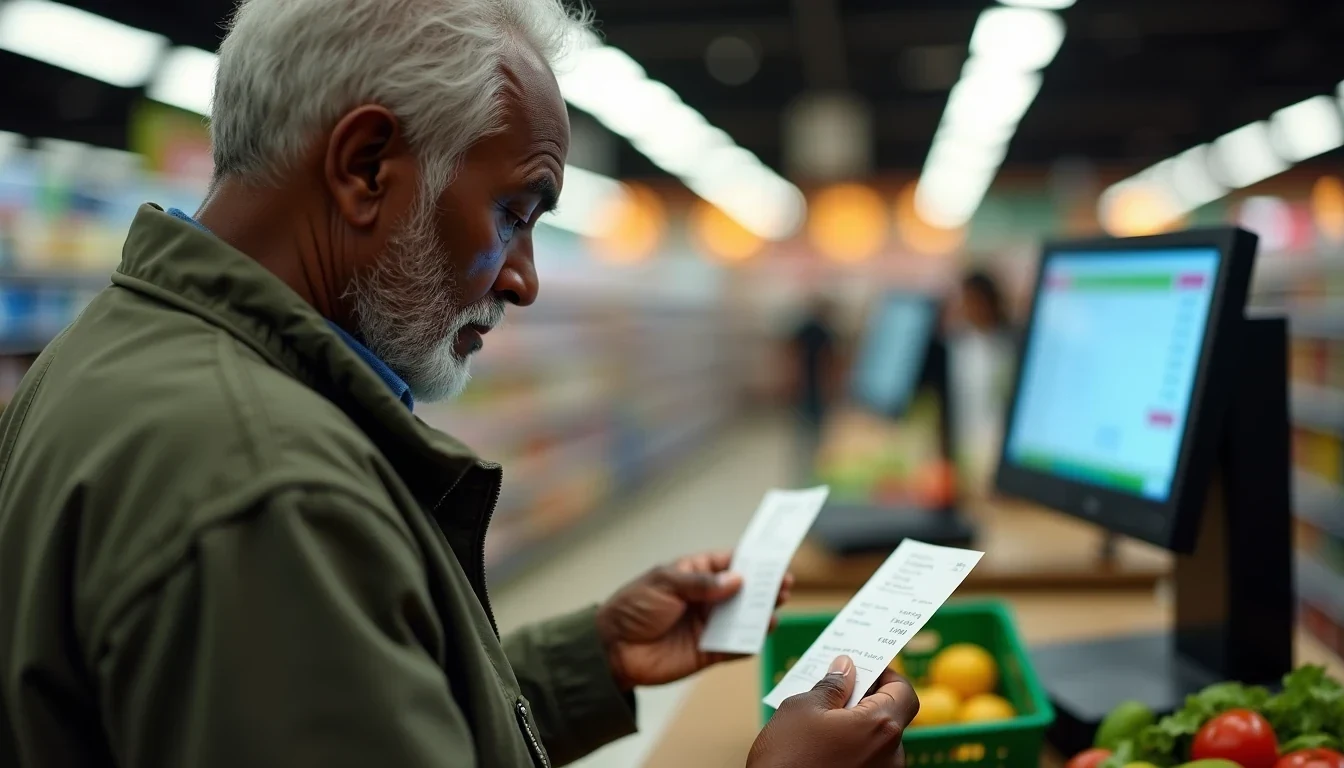
The till slip is doing the most again. You go in for bread, milk, a bit of fruit, maybe mince if the mood is optimistic, and by the time the cashier turns the screen towards you, the total looks like it has taken your breakfast personally.
The current food conversation has a strange part. Stats SA put food and non-alcoholic beverage inflation at 1.6% in June 2026, which sounds like mercy until you stand in front of a South African grocery trolley and remember that low inflation is not the same thing as lower prices. The climb has slowed. The bill still lands where it always does, heavy enough to make you stare at it twice.
The number on paper and the number on the slip
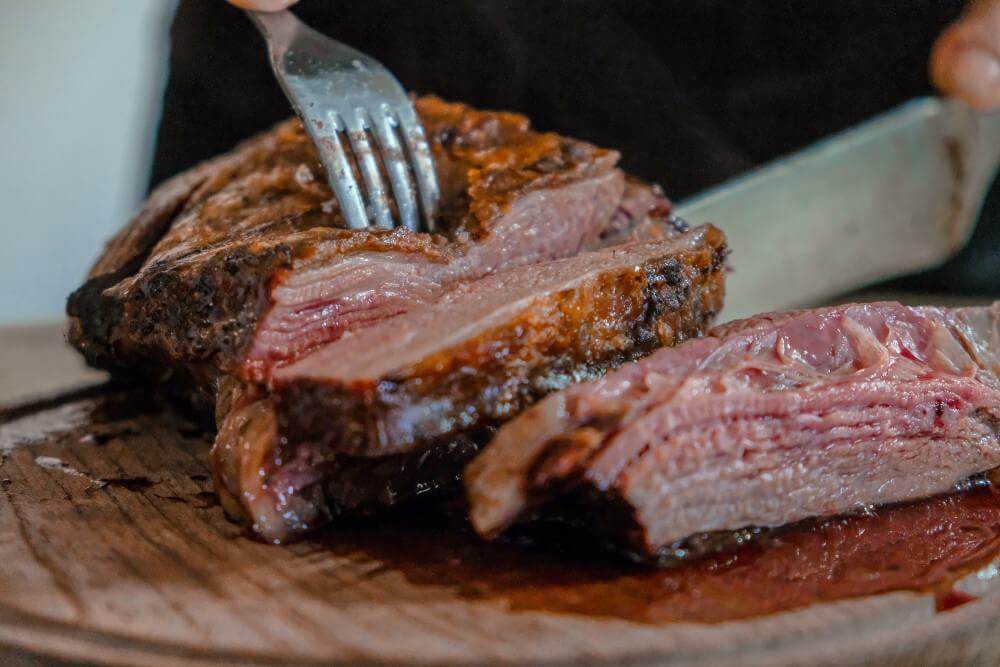
June’s food basket tells a messy story. Cereal products were cheaper than a year earlier. Fruit was about 10% down. Meat, meanwhile, was about 5.1% up. This split is the whole trick. If you live on maize meal, bread, rice and seasonal fruit, the official number starts to feel believable. If your trolley leans hard into meat, dairy and a few convenience items, the real answer is closer to “thanks for nothing”.
CPI averages are built to flatten the country into one middle picture. Your own basket does not care about averages. A pensioner in Pretoria buying tea, bread, tinned fish and a small pack of chicken is shopping a different reality from a family in Soweto loading up lunchbox snacks, yoghurt, cereal, mince and laundry liquid. One household can benefit from cheaper fruit and staples. Another gets clipped by meat and dairy before the month is halfway done.
People keep saying groceries feel disrespectful because the price tag is not dramatic on every item. The damage comes from the mix.
The pensioner basket is smaller and still annoying
Take a pensioner household, say one or two people living in Mamelodi or Mitchells Plain and trying to keep things sensible. A realistic monthly basket might sit somewhere between R1,800 and R3,000, depending on appetite, medication needs and how often meat makes the menu.
A basic month could include maize meal, bread, rice, eggs, tea, a few vegetables, fruit, peanut butter, tinned pilchards, cooking oil and a little chicken. If fruit is 10% cheaper than a year ago, that helps. If cereal products are softer too, even better. The problem is that this basket is never just fruit and pap. There is always washing powder, dishwashing liquid, toothpaste and toilet paper sneaking in from the side like unpaid extras.
Pensioners also tend to shop with less room to play games. They are already buying the cheaper pack sizes, already comparing specials, already doing the maths in their heads before they reach the queue. There is not much substitution left to squeeze out. When the total still comes back high, the complaint is not emotional. It is arithmetic.
The family trolley gets hit from every side
A family with schoolchildren turns grocery bills into a slap fight. Four or five people can run through a basket worth R4,500 to R7,000 or more in a month without even living extravagantly. Lunchbox fruit, cereal, milk, bread, cheese, mince, chicken pieces, pasta, yoghurt, spreads, snacks for sports day, and enough toiletries to keep the house from smelling like a public toilet add up because they have to.
This basket is most exposed to meat inflation. A 5.1% rise on meat does not sound catastrophic until you remember how often families rely on it. Mince for pasta. Chicken for supper. Boerewors for a weekend braai. A few steaks if the budget is behaving. Households replace those with cheaper protein only when they can, and not every household can. Eggs, beans and peanut butter help, but they do not fully replace the habit or the recipe.
The fruit deflation barely registers here because apples and bananas being cheaper does not cancel out meat, dairy and the endless small purchases that go into school runs and aftercare. The family trolley is where “only 1.6% inflation” sounds like a joke told by someone who does not do the shopping.
Loyalty cards are the quiet weapon
Retailers know exactly how frazzled shoppers are, so they have turned the loyalty card into a small act of rescue. Checkers, Pick n Pay and Woolworths all push member deals, personalised offers and instant savings. Shoprite, Usave and Boxer keep the pressure on shelf prices. The cheapest basket is often not about one store, but about which card you scanned and which specials you caught that week.
A young professional living alone in Sandton, Rosebank or Bellville might spend R1,500 to R2,500 a month, depending on whether they cook or outsource their life to ready-made meals. This shopper usually buys smaller packs, more convenience food, more coffee, more snacks, and fewer bulk staples. They can save with loyalty discounts, but only if the discounts match what they already buy. A R30 item marked down to R25 feels good. Three of those together still do not make the bill polite.
Loyalty programmes can shave R100 to R500 off a basket, sometimes more, but they do not reset the base price. They soften the hit. They do not erase it.
Lower inflation is not cheaper food
Everyone keeps tripping over this part. When inflation slows, it does not mean prices have gone back to some forgotten, decent era. It means the increase is smaller than before. If a thing was already expensive last year, a modest rise this year still leaves you angry at the till.
So yes, the official food number is low. Yes, fruit is cheaper and cereal products have eased. But a household that buys a lot of meat, dairy and prepared food is still living in a different cost reality. The total bill stays high because the starting point is high. The month still starts with hope and ends with a receipt long enough to threaten your mood.
The grocery aisle is not lying. It is just selective. Some items have cooled off. The cart as a whole has not.