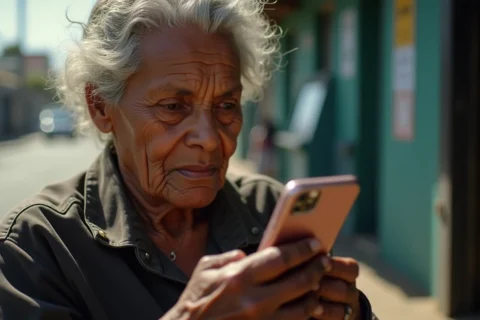
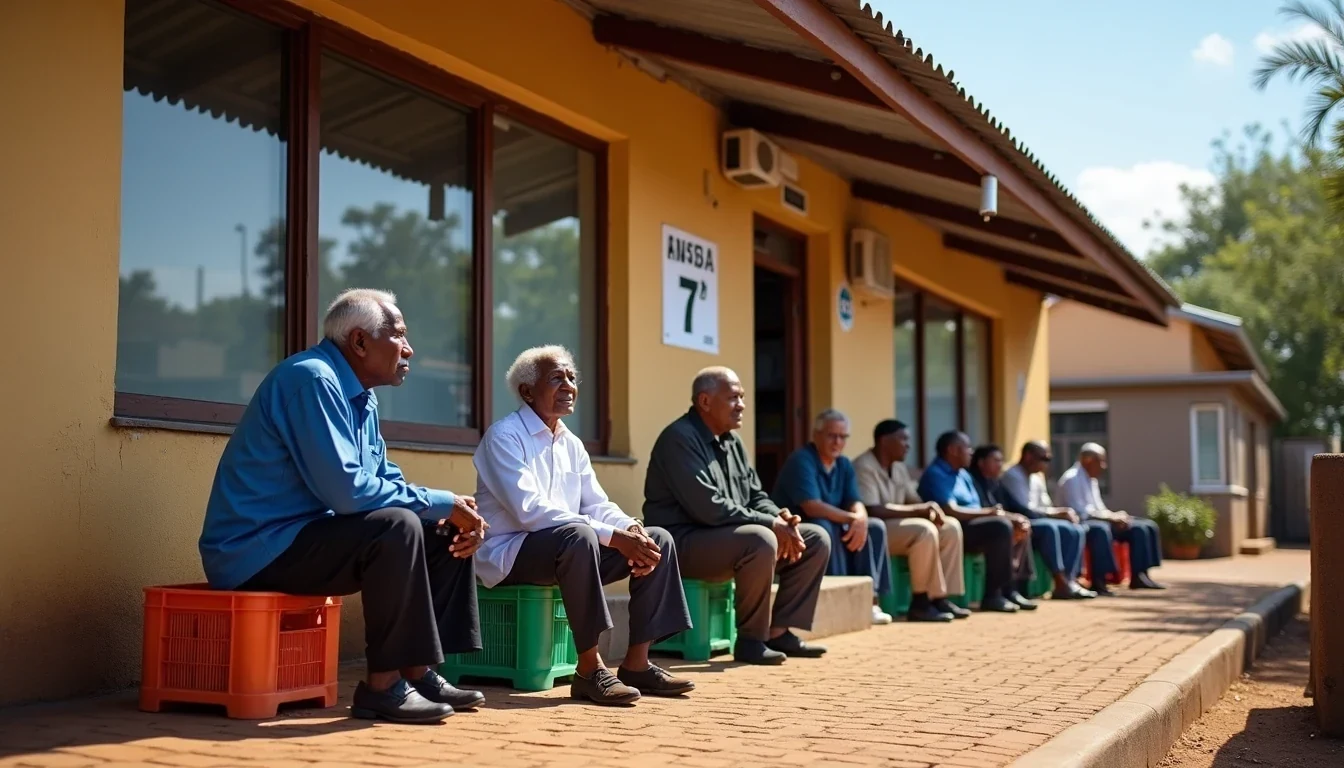
The queue outside the SASSA office in Mthatha last Tuesday morning started forming at 4:30 am. People were not there for a new grant or a lost card. They came for a review notice that arrived by SMS, the kind that looks like every other government message until you read it twice and realize your usual payment date has vanished, replaced by a “review payment day.” By 8 am, pensioners were sitting on plastic crates swapping rumors about biometric scanners and bank account freezes. By noon, someone was selling “fast-track review assistance” for R150 near the taxi rank. This is how administrative language becomes household panic.
What the review notice actually says
SASSA’s expanded fraud and eligibility drive now covers hundreds of thousands of recipients, with biometric checks and cross-referencing against Home Affairs, SARS, and financial institution records. If you are among those selected, your notice will specify exactly which documents to bring and a deadline for compliance. The notice comes via SMS from a dedicated SASSA sender ID, through official post on SASSA letterhead, or directly at a SASSA office. It never arrives through WhatsApp, unsolicited phone calls, or social media messages demanding your banking PIN or OTP.
The critical detail easy to miss is that review payment day. Your grant does not disappear, but the date shifts to a separate administrative schedule while verification happens. For a household where that money buys maize meal, electricity, and school transport, a date change reads as a missed payment. The grant is held in a different queue, not canceled. Yet the distinction collapses under kitchen-table pressure when children are waiting and the fridge is empty.
What to gather before you join any queue
Required documents vary by grant type, but the core items repeat across most reviews. A valid green barcoded ID book or Smart ID card is non-negotiable. Proof of residence must be recent, within three months, whether a utility bill, ward councilor letter, or sworn affidavit. Bank statements for the last three months establish income status. For child support grants, original birth certificates and school attendance letters are standard. Disability grant reviews need updated medical reports from a registered doctor confirming continued inability to work. Marriage certificates, divorce decrees, or death certificates of spouses are needed where marital status affects eligibility.
Bring originals or certified copies as specified. Make your own copies of everything submitted, note the date, and if possible, the name of the official who receives them. This paperwork is tedious and costs time and taxi fare. It is the difference between a completed review and an automatic suspension for non-compliance.
The gap between review and cancellation
Being selected for review is not an accusation of fraud and not a final judgment. It is an administrative check, increasingly necessary when 19 million recipients move through a system with a documented history of ineligible claims and fraudulent applications, particularly around the SRD R350 and disability grants. Payments may be temporarily held or rescheduled to that review payment day while SASSA confirms you still qualify.
Suspension happens only if you fail to respond to the notice or if initial findings suggest ineligibility requiring deeper investigation. Cancellation follows only when SASSA conclusively determines you no longer qualify or committed fraud. Even then, you have 90 days to appeal to the Independent Tribunal for Social Assistance Appeals. Inaction on your part leads to cancellation, not the selection itself.
How to check without handing your details to thieves
Verification has exactly three safe channels. The toll-free helpline is 0800 60 10 11. The official website is www.sassa.gov.za, and the physical SASSA office network operates during published hours. Anything else is a risk.
Scammers exploit the confusion deliberately. They know review notices create urgent fear. They know queues form early and people are tired. They offer to “speed up” the process for cash, or they send messages from numbers that almost look official, or they call asking for banking details to “verify” your account. SASSA never requests PINs, OTPs, or payment for any service. Anyone who does is running a separate business, and their profit comes from your grant disappearing entirely.
If a message triggers doubt, initiate contact yourself through the known channels rather than responding to the approach. The person selling assistance outside the Mthatha office has no connection to the biometric scanner inside. Your documentation reaches the actual system, not their pocket.
What to do the morning the notice arrives
Read it completely before telling anyone. Panic travels faster through family WhatsApp groups than accurate information. Verify the sender or letterhead against known SASSA identifiers. Note the specific documents listed, the deadline, and any appointment date. Start gathering paperwork that same day, not the morning of the appointment. Attend on the specified date with everything requested. Keep records of the interaction.
If your usual payment date passes and nothing arrives, check whether you are on the review payment day schedule before assuming the worst. A single administrative date change, poorly understood, can send a beneficiary through unnecessary stress, unnecessary travel, and unnecessary exposure to fraud. The notice itself is manageable. The stories that grow around it stop the money reaching the people who still qualify for it.