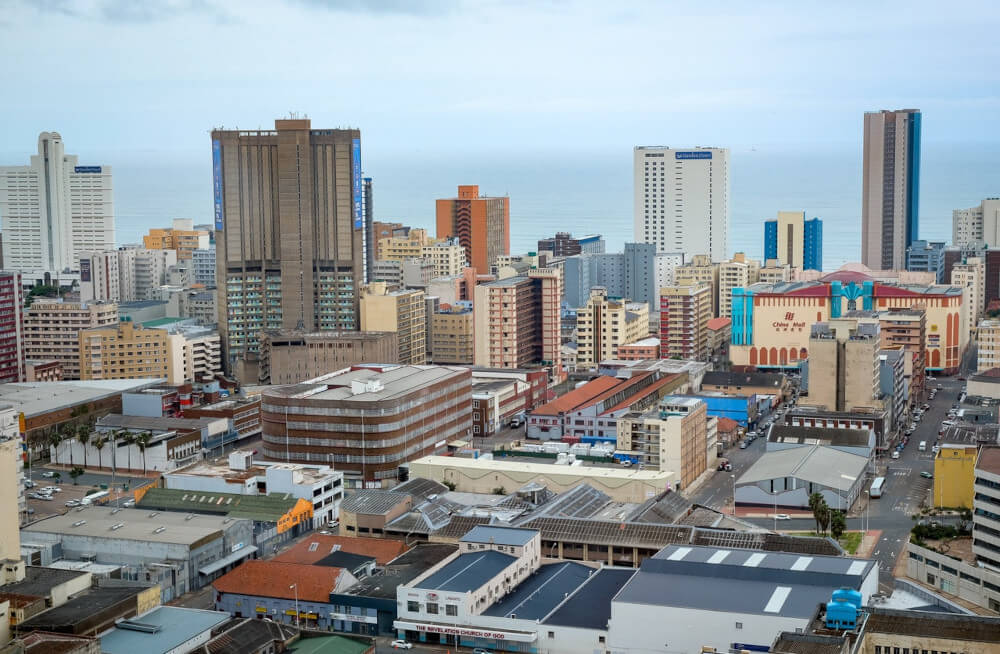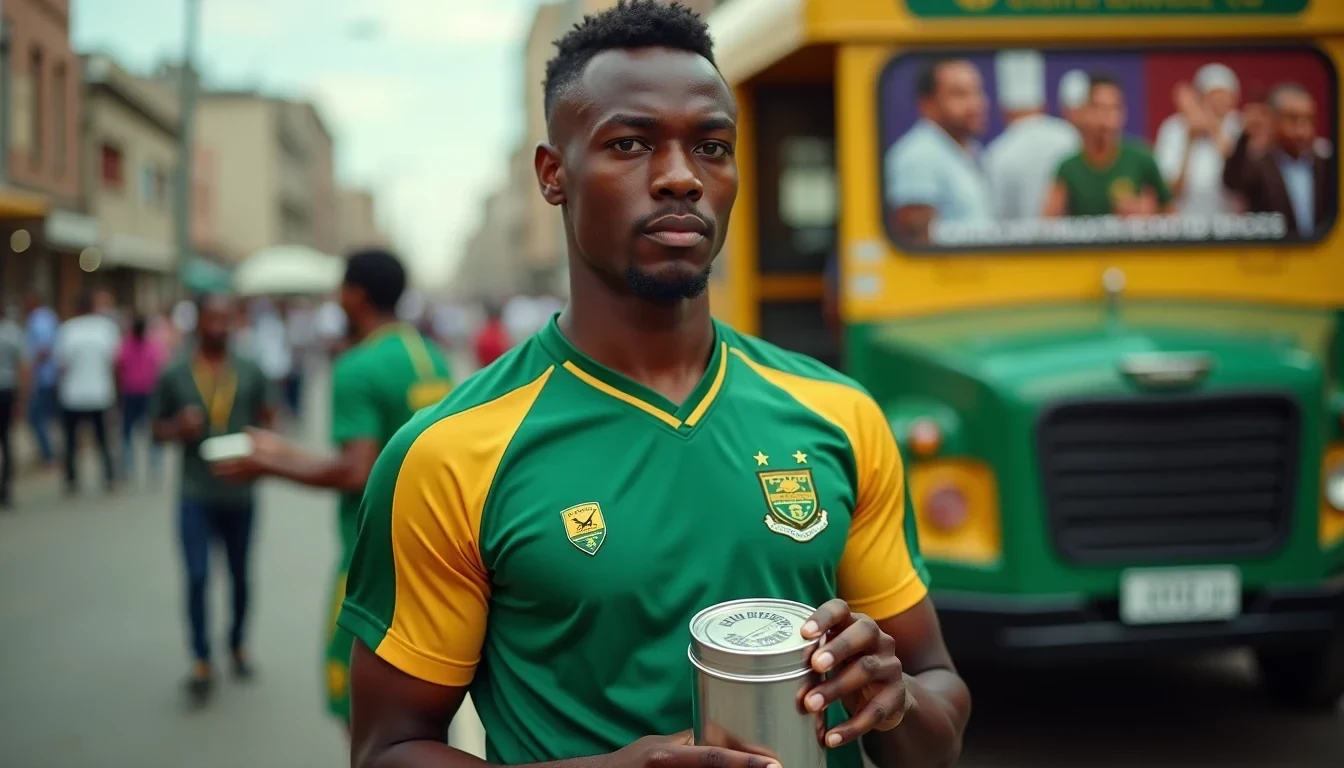
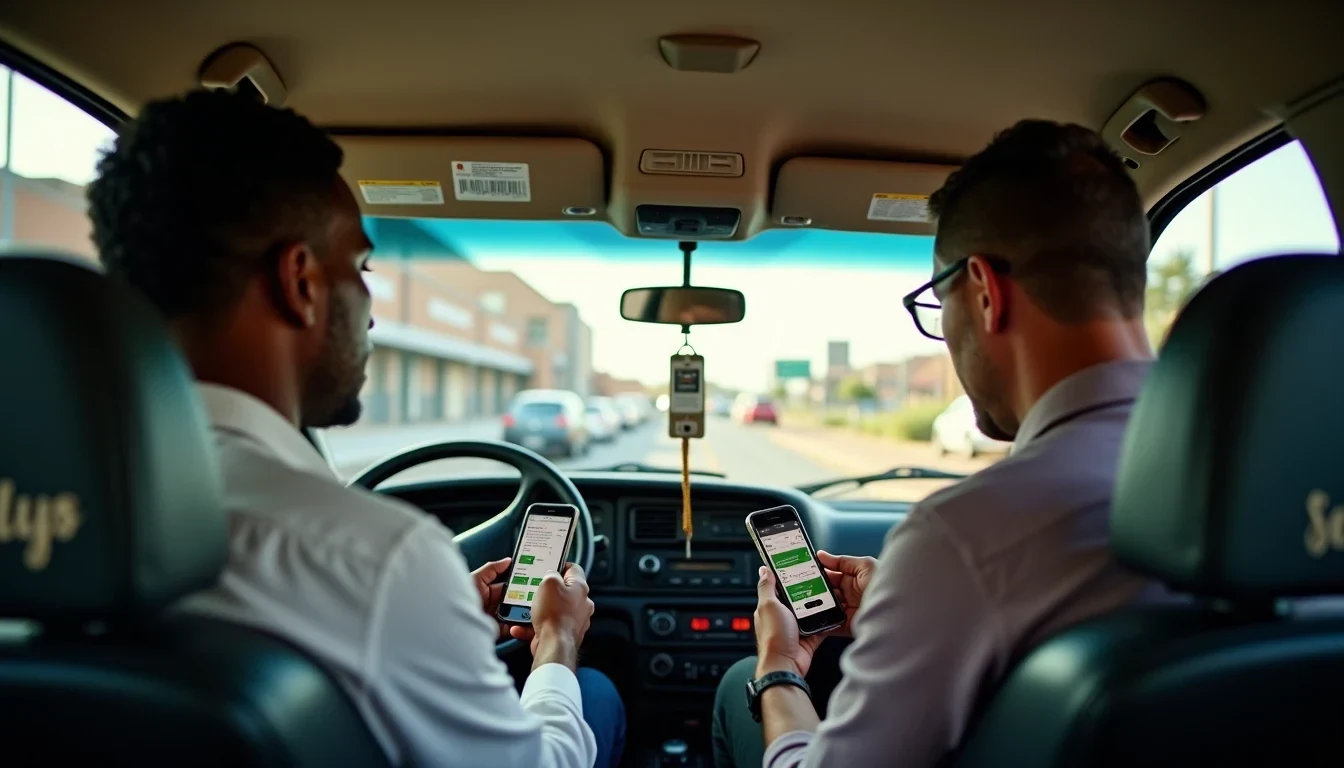
The taxi rank at Bree Street smells like exhaust and vetkoek, and every third minibus has a Hollywoodbets decal curling at the edges. The driver is arguing about the Chiefs game with someone in the front seat, and both their phones are open to odds comparison tabs. This is just Tuesday.
Somewhere in the Google data for July 2026, four of the ten most searched terms in the country were gambling-related. Betway and Hollywoodbets sat just below weather queries and, in some daily snapshots, above SASSA. They ranked above the agency that disburses grants to nineteen million people. The jackpot has become more urgent than the grant application.
How the brands became impossible to miss
The visibility is purchased in slabs across every surface of daily life. Prime-time DStv slots run Hollywoodbets ads with production values that rival the programming itself. Betway’s logo sits on Premiership analysis shows the way furniture sits in a room you have stopped noticing. Radio drive-time slots repeat jingles until they substitute for thought. The taxi decals, the rank posters, the billboards along the N1 and N2 corridors create an atmosphere.
Sports sponsorship completes the enclosure. Hollywoodbets holds naming rights to Kings Park in Durban, where the Sharks play. Local rugby teams and football clubs carry betting logos on jerseys the way churches once carried crosses. This brand belongs here, belongs to this team, belongs to you. Celebrity endorsers, sports personalities whose faces already live in your group chat, lend an architecture of trust to what is fundamentally a house-edge proposition.
Social media tightens the loop. Targeted ads on Facebook and Instagram know your location, your team allegiance, your payday cycle. Influencers post “slip” screenshots with the casualness of lunch photos. TikTok compilations of “big win reactions” circulate with algorithmic enthusiasm. The platforms are selling proximity to people who appear to have won.
The journey from curiosity to committed money
The friction has been engineered out deliberately. A user searches “Hollywoodbets login” or “Betway register.” SEO and paid search placement ensure the official site appears before any competitor or cautionary page. The mobile site loads fast. The app, if downloaded, is under 50MB, conscious of data costs.
Registration demands name, ID number, phone, email. The FICA upload, ID document and proof of residence, can be photographed and submitted within the same session. Some platforms allow partial verification for deposit; full verification waits for withdrawal, by which point the user is already committed.
The deposit methods reveal the target market’s texture. Instant EFT through Ozow or PayFast for the banked. For the unbanked or cash-preferred, the 1Voucher or OTT Voucher purchased at spaza shops, petrol stations, major retailers. A R50 voucher, scratched and entered, becomes R50 in betting credit without ever touching a bank statement. The welcome bonus matches or multiplies this first amount, creating the sensation of free money that must be played before it can be withdrawn.
From search to first wager can take under ten minutes. The time between “I wonder” and “I have money on this” has been compressed to the length of a taxi ride.
What the marketing actually promises
The platforms speak in several registers simultaneously, a multiplicity that is itself the strategy. To one audience, betting is entertainment: the adrenaline of live in-play odds, the social ritual of watching with friends, the graphics and sounds of casino games ported to six-inch screens. The language is fun, thrill, vibe.
To another audience, betting is skill-based income supplementation. Your knowledge of the DStv Premiership, your rugby intuition, your understanding of cricket conditions at Kingsmead, these can be “turned into cash.” The framing flatters the user as savvy rather than lucky, knowledgeable rather than desperate. The house edge becomes invisible behind the mythology of the informed punter.
To a third audience, reached more obliquely, betting is escape. The “life-changing jackpot” narrative does not need to say “solve your debt.” It shows the car, the celebration, the notification of a seven-figure win. In a country where youth unemployment sits above 45% and the median monthly income would not cover a Sandton parking bay, the mathematics of improbability competes against the mathematics of impossibility. The jackpot is unlikely. The grant is insufficient. Between those two facts, a market forms.
The search data as social photograph
SASSA disbursed grants to approximately 19 million South Africans in recent reporting periods. The agency’s website handles grant applications, status checks, payment date queries. Betting brands outrank it in search volume because urgency concentrates differently. The grant applicant knows their payment date, or has learned the bureaucratic rhythm. The bettor is searching before every match, every race, every spin.
The implication is not that South Africans have abandoned social safety nets for roulette wheels. Gambling has been normalised into the same category of daily digital habit as weather checks and sports scores. The search bar becomes a pulse reading: what do people need right now, this minute? Sometimes the answer is a storm warning. Sometimes it is a deposit bonus code.
Youth exposure unravels most visibly. A generation whose first internet device was a smartphone encounters betting apps before they encounter pay slips. The same platforms that stream their music and host their social lives sell them vouchers at the same shops where they buy airtime. The boundary between entertainment and financial risk has been removed entirely, with regulatory approval and celebrity endorsement.
What the taxi rank already knew
Back at Bree Street, the argument about Chiefs has shifted to whether a R20 accumulator on three away wins constitutes “a smart play” or “throwing petrol money at strangers.” Neither participant seems distressed by the framing. The Hollywoodbets decal on the taxi they will soon board advertised a R50 million jackpot last month. The number is still visible, faded by sun and diesel fumes, readable enough to lodge in the mind before the engine starts.
The Google data only formalised what the taxi rank, the tavern television, the family WhatsApp group already demonstrated. The jackpot is not a fringe pursuit in South Africa. It is ambient. It is infrastructure. It is the background hum against which other financial hopes—the grant, the job application, the small business loan—must compete for attention. The search bar rankings merely confirmed whose voice is loudest.