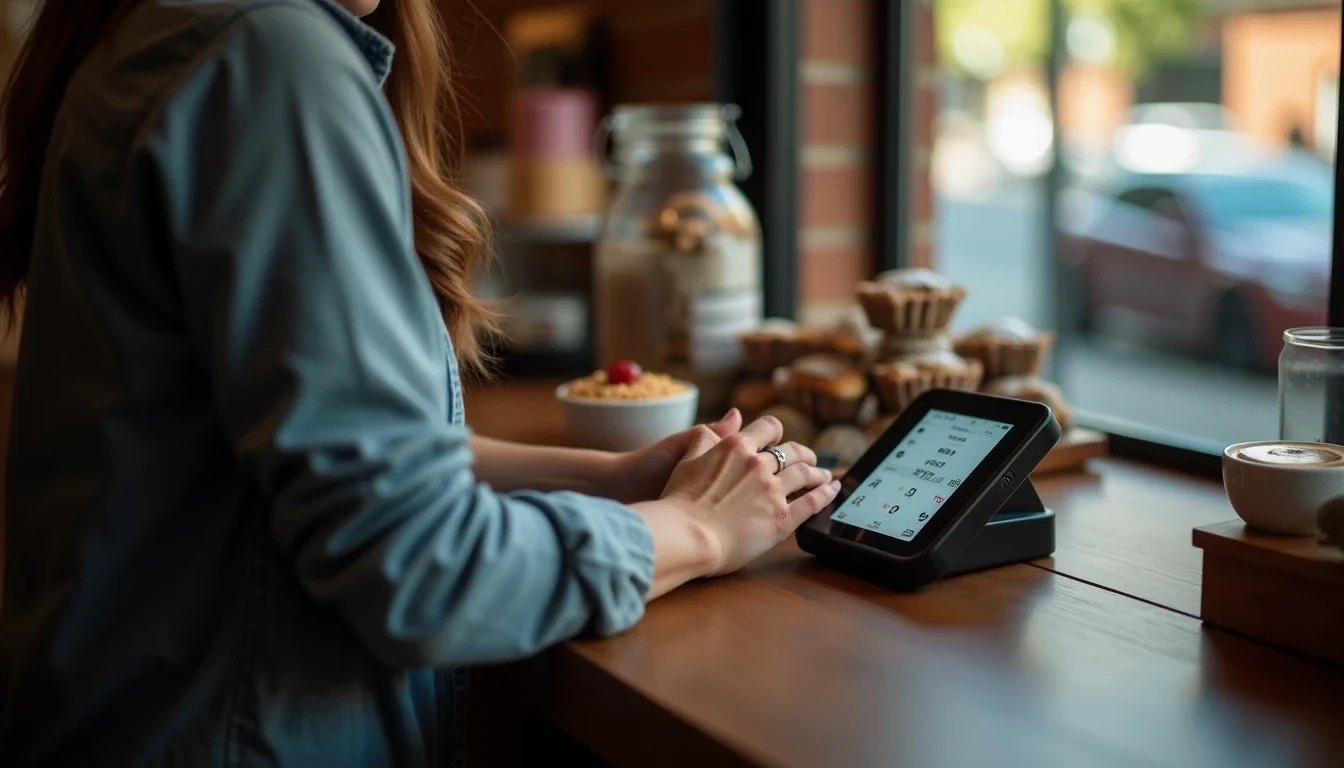
The croissant on the counter at your local Joburg bakery now costs what a full breakfast used to run. You buy it anyway, not because you are careless with money, but because the alternative some mornings feels like surrender.
South Africans have become forensic about where their rands go. The holiday got cancelled. The car will last another two years. The renovation is a conversation nobody has anymore. But the R45 flat white on Tuesday morning, the R35 pain au chocolat on Friday, the single craft beer at the corner pub on payday—these survive the budget cuts. They survive because they are small enough to not feel like a decision, and because giving them up would mean admitting something about the shape of things that nobody wants to say out loud.
The maths nobody wants to do
Run the numbers and the picture gets uncomfortable. Three artisan coffees a week at R45 each totals R540 over a month. Add a pastry twice weekly at R35 and you are at R820 before you have thought about it hard. That is more than a decent dinner out for two in Pretoria or Cape Town. It is more than cinema tickets with snacks, popcorn, and parking included.
The psychology is not mysterious. R45 leaves your account in a blink. R800 in one sitting requires planning, justification, maybe a conversation with someone else who shares your budget. The small treat is a drip, not a flood. You do not feel soaked, but the puddle at your feet is the same depth.
This is the trick the “little treat” economy plays on you. It scales down luxury until it fits through the narrow gap of what still feels permissible. The individual purchase is defensible; the cumulative cost is a ghost.
Why cabbage is getting the tasting menu treatment
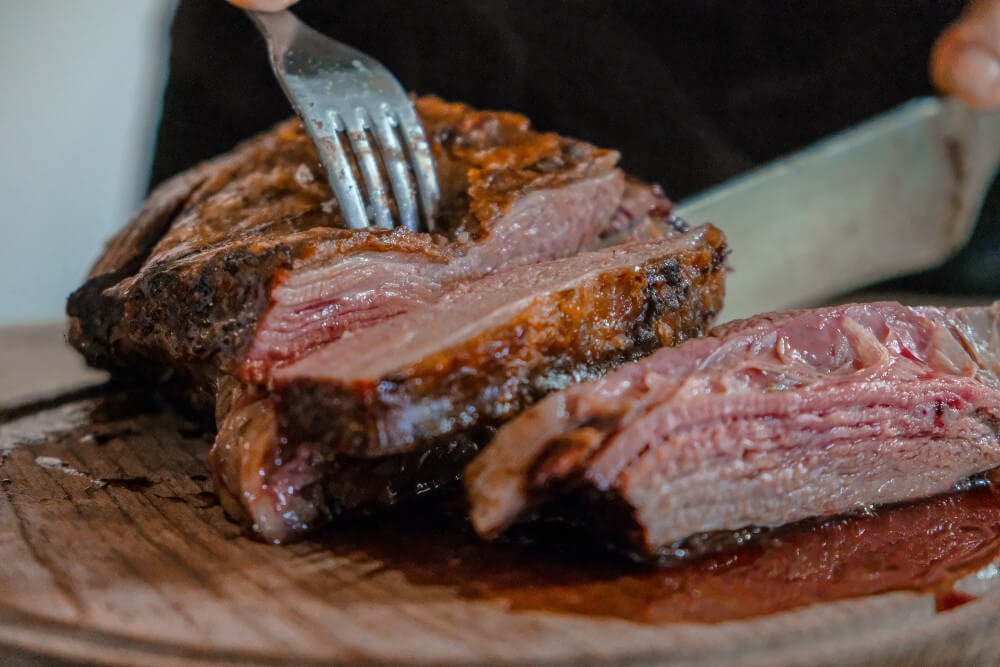
While consumers defend their croissants, chefs across Cape Town and Johannesburg are moving in the opposite direction. The Pot Luck Club and a growing list of contemporary kitchens are serving thick-cut cabbage wedges slow-roasted until the edges caramelise, finished with brown butter or fermented chilli. Mieliepap appears as creamy polenta-style bases beneath slow-braised short rib. Chakalaka gets deconstructed into precise, colourful components on plates that cost more than the weekly grocery run.
The trend is not irony; it is economics dressed up as innovation. Cabbage, beetroot, maize, the vegetables that filled childhood plates, are cheap enough to keep menu prices from chasing customers away entirely. But the technique, the plating, the narrative of elevation, lets a restaurant charge R120 for what cost R12 at the Pick n Pay. Familiarity becomes a selling point because unfamiliarity, right now, feels like risk.
Chefs are not wrong to do this. Diners want comfort without the embarrassment of ordering plain food. “Braised cabbage with umami and truffle oil” lets everyone pretend the meal was a choice, not a concession. The cabbage is honest; the language around it is the rebellion.
The psychology of refusing to give it all up
Stats SA recorded food inflation at 14% year-on-year in March 2023. The Reserve Bank held its repo rate at 8.25% for long enough that the number started to feel permanent. Fuel prices swing on a Wednesday, and everyone learns to calculate the taxi fare increase before it is announced. In that environment, every rand of discretionary income is contested territory.
The croissant becomes defiant because it is unnecessary. Nobody needs laminated dough at 8am. The necessity is the point: choosing something unnecessary proves you still have choices. When interest rates, grocery bills, and school fees are all decisions made for you, the R45 at the till is a tiny act of authorship.
Social media sharpens this into something performative. The flat white photographed against morning light, the caption about small joys, the comment section full of people recognising their own rituals. It is not about the coffee; it is about refusing to let the timeline become nothing but complaints about Eskom and petrol.
There is also the social function. Meeting a friend for one drink costs R70. A full night out runs to R700. The friendship survives the smaller transaction, but the loneliness of cutting everything does not get priced in until later.
What gets defended when nothing else can
Ask around any office kitchen or family WhatsApp group and the pattern holds. The gym membership went. The streaming subscriptions got halved. The holiday fund became the tyre replacement fund. But the specific thing, the one small reward, stays. For some it is the Friday pastry. For others the monthly craft gin, the imported chocolate bar, the hand cream that smells like somewhere else.
The common thread is manageability. These treats do not require saving. They do not create debt. They arrive, they disappear, they leave a small residue of pleasure. In an economy where most financial news is about compounding pressure, the little treat is linear: one purchase, one moment, one morning that felt slightly less heavy.
The cabbage on the fine-dining menu and the croissant in the bakery bag are the same story told from different incomes. Both are ways of saying: not everything is reduced to survival. The statement is quieter than it used to be. It costs more to make, but for now, enough people are still making it.