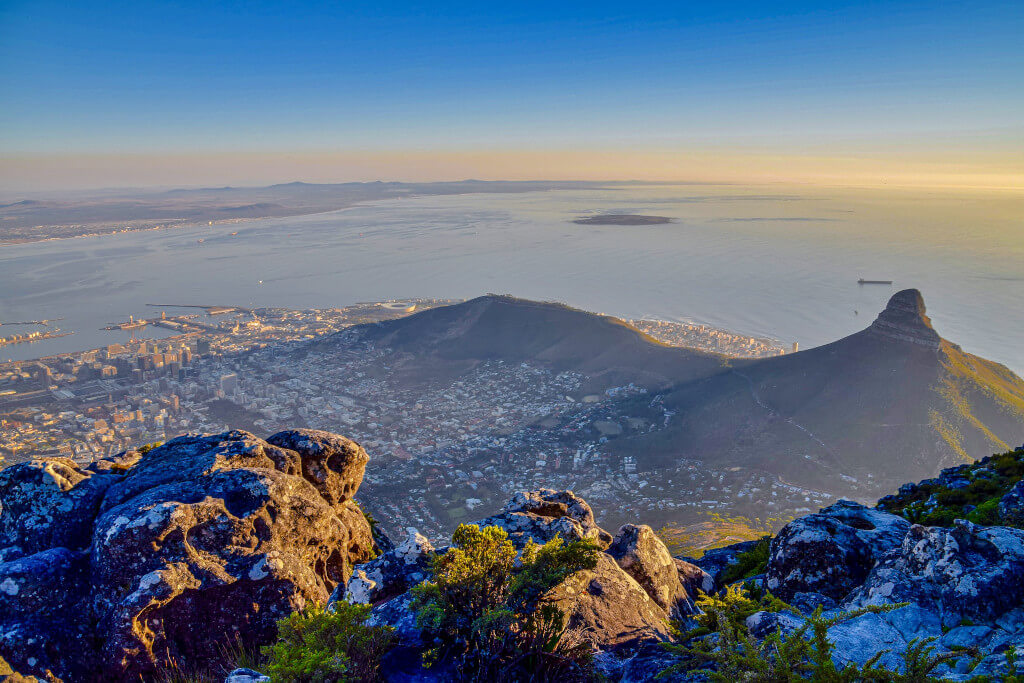

Three hundred copies. That is the entire print run for the only newspaper in Sea Point that people are actually talking about. André-Pierre du Plessis launched The Promenader earlier this year with a figure so modest it would make a magazine editor weep, yet finding a copy has become something of a neighborhood sport. While the rest of publishing chases scale, this single-sheet operation has stumbled into the radical idea that some stories are better when they do not travel.
The economics of printing small and staying alive
Du Plessis needed to make printing cheaper than his phone bill. The Promenader uses local printers willing to handle batches that major titles would laugh at, and the savings start there: no warehousing, no national distribution network, no fleet of vans burning diesel to reach towns where nobody asked for your paper. Copies land in cafés along Regent Road, in the lobbies of apartment blocks with sea views, at the counters of shops whose owners also buy the advertising space.
That last part makes the paper viable. A Sea Point hairdresser or corner bistro cannot afford to compete for attention on Instagram against every other business in Cape Town. But 300 copies dropped precisely where their customers live creates a conversation, not a broadcast. The rates are modest because the reach is modest, and everyone involved understands the trade. National titles chase millions of impressions that translate to nothing. The Promenader sells a few thousand rands in ads that actually show up in the right hands.
The scarcity helps too. There is no digital archive to scroll later, no PDF link to pass around. Either you picked one up this week, or you missed it, and your neighbor who did has something you want.
What WhatsApp groups cannot do
Every Sea Point building has its WhatsApp group, and every one of them is a disaster. Someone’s camera caught a suspicious car at 2am. A tenant is furious about parking. A recipe for banana bread arrives without context. The information is instant and mostly useless, a firehose of anxiety with no one turning the tap.
The Promenader offers the opposite proposition: slowness as a feature. Du Plessis and whoever helps him sort through submissions decide what counts. A new coffee shop opening gets a paragraph because it changes where you might walk on Saturday. A resident’s 40-year history in the suburb earns space because it explains the place you moved into last month. The gradual stuff, the changes you barely notice until someone points them out, gets named and dated. This is editing as a public service, and it turns out people still want it even after fifteen years of being told they prefer to curate their own feeds.
The “page three” content makes the point sharpest. Local gossip in The Promenader is not anonymous accusations or blurry photographs of someone’s divorce. It is calibrated, slightly arch social reporting that tells you who opened what, who moved where, which building finally fixed its lift. This is the kind of thing you would learn eventually at the promenade anyway, but presented with enough wit to feel like entertainment rather than surveillance. Someone chose this for you. That choice is the product.
The reader who still wants to hold something
The typical Promenader reader is not a Luddite or a pensioner baffled by smartphones, though there are plenty of older residents in Sea Point who fit the stereotype. They are people who spend enough hours on screens for work or habit that a physical object feels like relief. The paper arrives without a notification. It does not track your attention or serve you an ad based on the last thing you bought. It is simply there, on the table, waiting until you are ready.
There is also the matter of belonging. Sea Point has spent years becoming denser, pricier, more transient. New apartment blocks rise where family homes stood, and the turnover in who lives behind which balcony is relentless. A paper that assumes you are staying, that treats the suburb as a place with continuity rather than a stop on someone’s property investment journey, offers a kind of citizenship. You read it and you are, however briefly, a local.
The 300-copy limit intensifies this. Not everyone gets one. You learn to grab yours at the right café, at the right time, before the stack disappears. It is the opposite of infinite scroll content, and the rarity makes people value what is inside.
Why this might not be a one-off
The obvious objection is that The Promenader works because Sea Point is Sea Point: wealthy enough to support local businesses, dense enough to make foot distribution practical, vain enough to care about its own reflection. Try this in a township or a distant suburb and the economics might not hold.
But the underlying principle travels further than the specific model. South African media has spent a decade consolidating into national titles with shrinking local presence. Social media filled the gap with noise. The gap for genuine community information did not close; it got louder and less useful. Hyper-local print, at the right scale, offers something no algorithm has replicated: the sense that someone who shares your pavement is paying attention, and has bothered to write it down.
Du Plessis has not solved the crisis of journalism. He has simply refused to participate in the parts that stopped working. The Promenader will probably never expand to 3,000 copies, and that is the point. It is a paper designed for the distance you can walk in twenty minutes, and the stories that only matter if you live inside them.