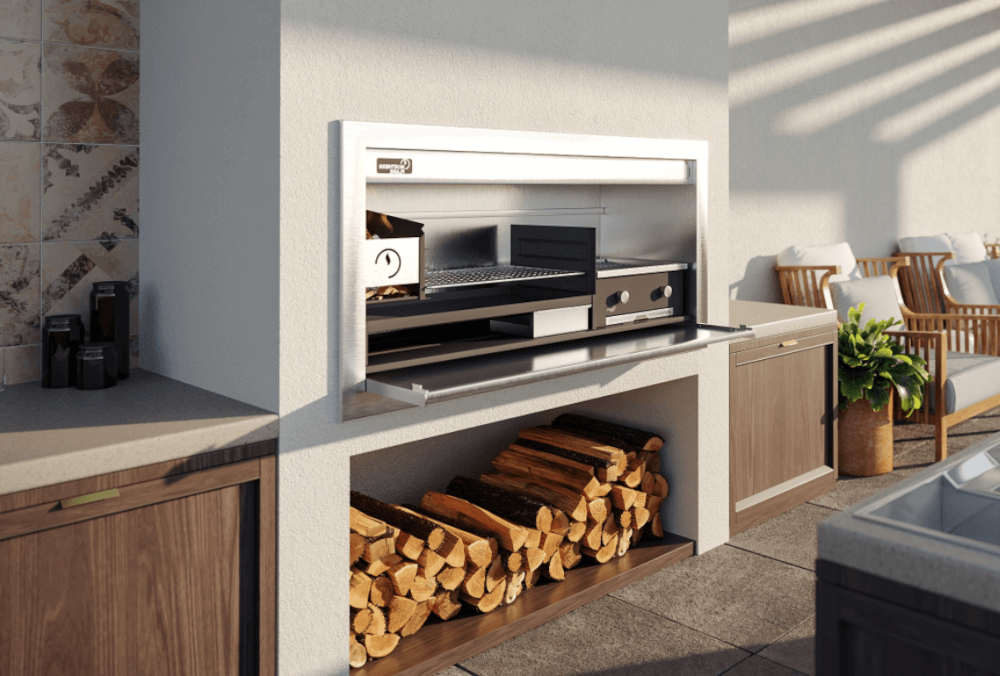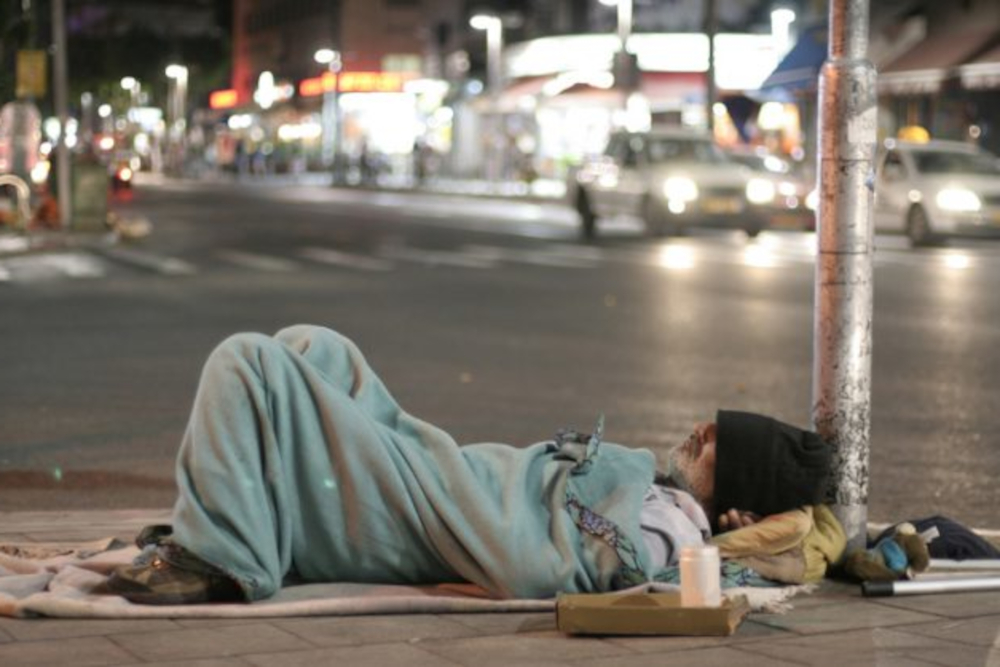
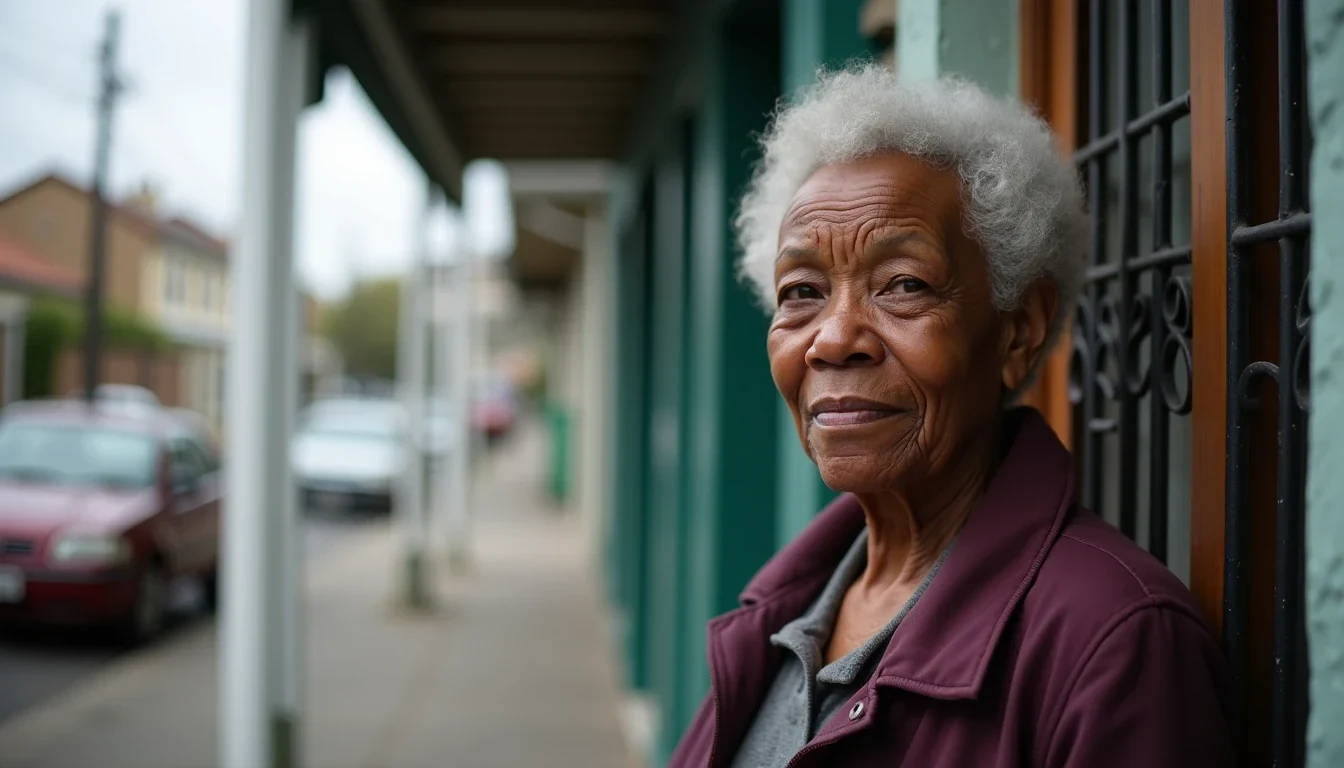
A retired librarian pays R8,500 a month to live on the same Gardens street where a vacant house sits boarded up for five years, waiting for its offshore owner to cash in. A Jozi couple drops R6.2 million in cash on a Victorian cottage they plan to gut. An Airbnb pulls R1,800 a night while the barista who serves its guests spends three hours getting home to Khayelitsha. This is St John’s Street in 2024. This is the City Bowl now.
The Street Where Four Cape Towns Live
St John’s Street runs through Gardens like a timeline of what has happened to inner Cape Town. Mrs Zola Mkhize, 68, has rented her two-bedroom flat here for 35 years. Her landlord never hiked her to market rate, so she still pays R8,500. The building around her has probably tripled in value. She is surrounded by people who could write a cheque for the place without blinking, and by others who will never know her name because they stay four nights and leave a review.
Across the road, the semigrants from Johannesburg paid cash, no bond, no sweat. They are renovating a cottage that a local family owned for generations. Two doors down, the Airbnb hums. It makes R30,000 to R40,000 a month, so it will never be offered to a long-term tenant at any price. Further along, the boarded-up Victorian. Someone whose agent files the paperwork from abroad bought it for R4.5 million in 2019. Zero tenants, zero rates contribution to speak of, zero presence except the slow appreciation ticking on a spreadsheet somewhere in London or Amsterdam.
Four properties, maybe fifty metres between the furthest two. Four entirely different relationships to the city. Only one of them involves someone who actually lives there, knows the neighbours, and remembers when the corner shop was something else.
The Salary That Does Not Reach
The Western Cape has led provincial rental growth for years. PayProp put it at 4.5% year-on-year in late 2023, against a national 3.7%, and the City Bowl regularly pushes past that. A one-bedroom in Gardens or Vredehoek now lists between R12,000 and R18,000. Two bedrooms start at R18,000 and climb to R28,000. Tamboerskloof goes higher.
Stack that against what the people who run the cafes, staff the hotels, ring up the groceries, and keep the hospitals going actually earn. A waiter or hotel receptionist grosses R8,000 to R12,000 monthly. Tips help, but tips are weather. At R15,000 rent, the median for a one-bedroom, housing alone consumes 125% to 187% of their base salary. A retail cashier on R7,000 to R10,000 faces rent at 150% to 214% of income. Even an entry-level nurse or teacher, supposedly in a more secure bracket at R18,000 to R25,000, would hand over 60% to 83% of their gross to a landlord. The 30% affordability benchmark is a joke they are not in on.
To pay R15,000 comfortably, a household needs R50,000 coming in. That is not the household of someone pouring your flat white or scanning your groceries. It is not even the household of someone bandaging your arm or teaching your child.
The Commute That Eats the Day
So they live elsewhere: Khayelitsha, Mitchells Plain, Bellville. These are places where rent has not yet detached entirely from local wages.
The journey from Khayelitsha to the City Bowl takes 90 minutes to two hours one way in peak traffic. This involves a taxi to the transport hub, then MyCiTi or Golden Arrow or the train if it is running, then maybe another taxi or a walk up the hill. It costs R40 to R60 one way, R80 to R120 daily, or R1,600 to R2,400 a month for the twenty-workday grind. From Mitchells Plain, similar maths: R70 to R100 daily, R1,400 to R2,000 monthly. Bellville is closer, 45 minutes to an hour, but still R1,000 to R1,600 a month in fares.
A worker on R10,000 gross now spends 20% of that on simply getting to work, before rent, before food, before school fees. The round trip can swallow three to four hours daily, sixty to eighty hours a month. This is seven and a half to ten full working days, gone to taxis and buses and queues. This time cannot be spent on rest, on family, on a side hustle, or on anything that might inch them closer to a Gardens flat of their own.
Cape Town markets itself on walkability: the promenade, the mountain, the cafe culture, the fifteen-minute life. The people who make that life possible walk the least. They sit the most, in taxis and buses, watching the city they serve recede behind them each evening.
The Walkability That Walks Away
Over three years, a flat that cost R15,000 in 2021 now asks R18,000 to R20,000. That is 20% to 33% cumulative growth, against inflation that barely touched half that and against wages that certainly did not. The pandemic recovery, the semigration surge, the return of international tourists, the foreign capital looking for a stable rand hedge, the Airbnb algorithm optimising for nightly yield, and the local who just wants a flat near work and finds nothing all funnel into the same squeeze.
Mrs Mkhize on her street of ghosts and short-stay guests knows the texture of it. She remembers when the long-term mattered, when a street was people and not portfolios. The Jozi couple do not need to know her name. The Airbnb guest will leave a four-star review and fly home. The offshore owner has not seen the boarded windows in half a decade. The barista, the cashier, the nurse, the teacher are on the N2 or the train line or the MyCiTi route, somewhere between Khayelitsha and the mountain they will glimpse but not climb today, paying in hours and rand to keep a city running that no longer has room for them.