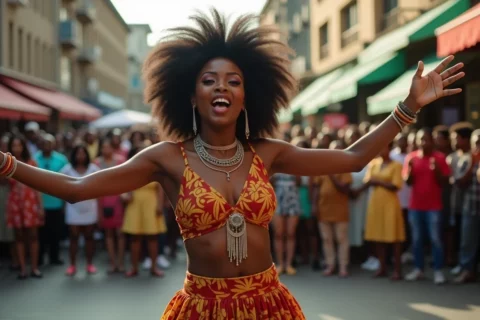
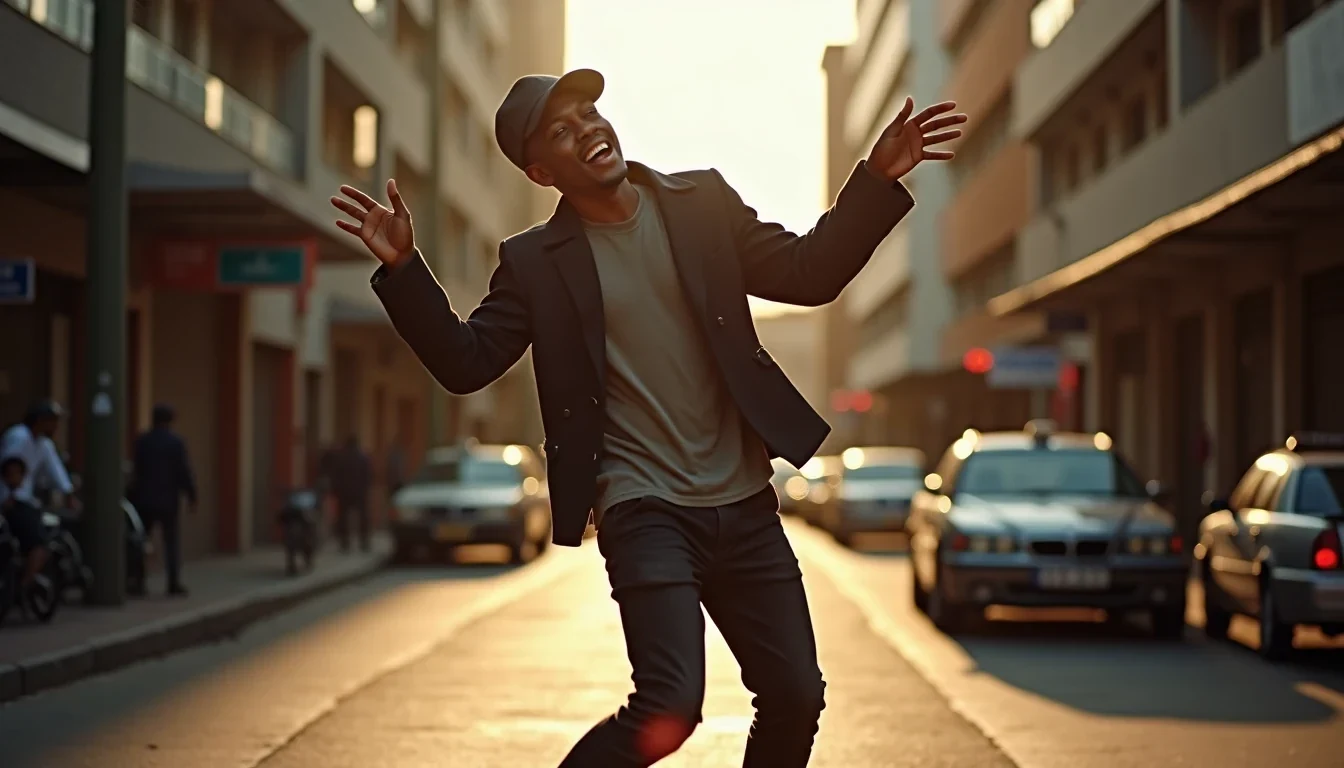
A video of DJ Maphorisa dancing to “Phoyisa” in late 2019 has become the visual people associate with a Drake song released years later. The amapiano producer never planned this. He was celebrating a hit, moving as the track demanded, and posting it like everyone else does. Now that same clip, stripped of Kabza De Small’s piano and Cassper Nyovest’s verse, bounces around TikTok and Instagram Reels with “Shabang” laid over the top. The internet does not care about chronology; it cares about what fits.
How a 2019 Amapiano Moment Got a 2026 Soundtrack
The original clip came from a specific window in South African music. “Phoyisa” dropped in late 2019, when amapiano was still tightening its grip on the country’s sound. Maphorisa, already a name from his gqom and house years, threw himself into promoting the track with energy that made him unavoidable on timelines. His dancing was not choreographed by a professional. It was the loose, full-body response of someone who understood the groove and wanted others to feel it. The video circulated on Instagram and Twitter, back when those platforms still dominated how South African music spread before TikTok took over completely.
That should have been the end of it. A good moment, a good song, archived like everything else. But the platforms changed how they handle time. A video no longer dies after its first week of circulation. It sits in search results, in repost accounts, in the endless scrollable past that algorithms can surface without warning. Someone, somewhere, found Maphorisa’s movement and heard something in “Shabang” that matched. The edit worked. The internet’s only test is whether something works.
The Edit That Detached the Dance from Its Source
The first notable “Shabang” edits using Maphorisa’s clip appeared as experimental combinations, the kind users throw together to see if the algorithm responds. One caught. Then others replicated the format, and the association hardened faster than anyone could correct it. By the time the clip reached wider audiences, most viewers had no idea the dance predated the song by several years. They saw Maphorisa’s body moving to Drake’s voice and assumed the connection was intentional, or at least contemporaneous.
Attribution breaks down here. The platforms provide tools that make repurposing frictionless. TikTok’s “Add Sound” feature lets any user strip audio from one video and apply it to another. Instagram Reels offers similar functionality. External editing software goes further, allowing downloads from any source, recombination, and re-upload as apparently fresh content. The platforms reward what engages, not what credits accurately. An algorithm cannot distinguish between a dance created for a song and a dance retrofitted to it. It only measures watch time, shares, and replication.
Maphorisa’s name does not disappear entirely in this process. He is visible in the clip, recognisable to anyone who knows South African music. But recognition and attribution are different things. Viewers might know that is DJ Maphorisa without knowing what he was originally dancing to, or when, or why. The context that made the moment meaningful, the specific celebration of “Phoyisa” and amapiano’s rise, dissolves. What remains is a body moving to a beat, severed from the scene that produced it.
What This Pattern Means for South African Creators
The phenomenon is not unique to Maphorisa. South African dance moves, sounds, and visual styles have a long history of traveling globally without their originators attached. The difference now is the speed and the mechanism. Before, a move might take years to migrate through films, music videos, live performances. Now a single edit can detach a creator from their work overnight, and the platform architecture actively encourages this. The “Duet” and “Stitch” functions on TikTok, the remix options on Reels, and the ease of downloading and re-uploading all treat content as raw material waiting to be recombined.
For creators, this presents a difficult calculation. The same features that can amplify South African culture to global audiences are the ones that strip away the context that makes it intelligible. Maphorisa benefits from being already famous; his name survives the detachment even if the original song does not. A dancer from Umlazi or Khayelitsha who invents a move that later attaches to an international track may not be so lucky. Their body becomes the trend. Their name becomes “someone on TikTok.”
The economics follow the attention. When a dance goes viral with new audio, the revenue and opportunities flow toward whoever controls that audio, whoever initiated the trend, and whoever has the infrastructure to monetise the moment. The original performer, if they surface at all, often arrives too late. By the time the connection is traced back, the peak of virality has passed, and the platforms have already moved on to the next recombination.
Maphorisa’s case is almost gentle by these standards. He is prominent enough that some viewers recognise the anachronism. Comment sections occasionally note that this is an old clip, that the dance belongs to a different era of South African music. But those corrections compete with thousands of uncritical reposts, and the algorithm does not weight accuracy in its distribution decisions. What spreads is what spreads.
The broader picture is a shift in how culture circulates. Time on these platforms is not linear. The past is not behind us; it is searchable, sampleable, waiting to be rediscovered and recontextualised. A 2019 amapiano celebration can become a 2026 Drake accessory without anyone planning it, and without anyone able to stop it. The only question is whether the systems that enable this can also build in the attribution that makes it sustainable for the people whose work fuels the machine.