The packet on the shelf still looks like the same packet. Same colors, same logo, same cheerful promise that whatever is inside will sort out supper, lunchboxes, or the next load-shedding snack emergency. Then you get home, open it, and the thing is thinner, lighter, or emptier than the version you remember buying for the same money.
That is shrinkflation in plain clothes. No dramatic sticker, no loud announcement, just fewer chips, fewer biscuits, smaller yogurt tubs, lighter detergent, shorter toilet rolls, and cereal boxes that look as if they were designed by a magician with a grudge against your grocery budget.
The aisle trick
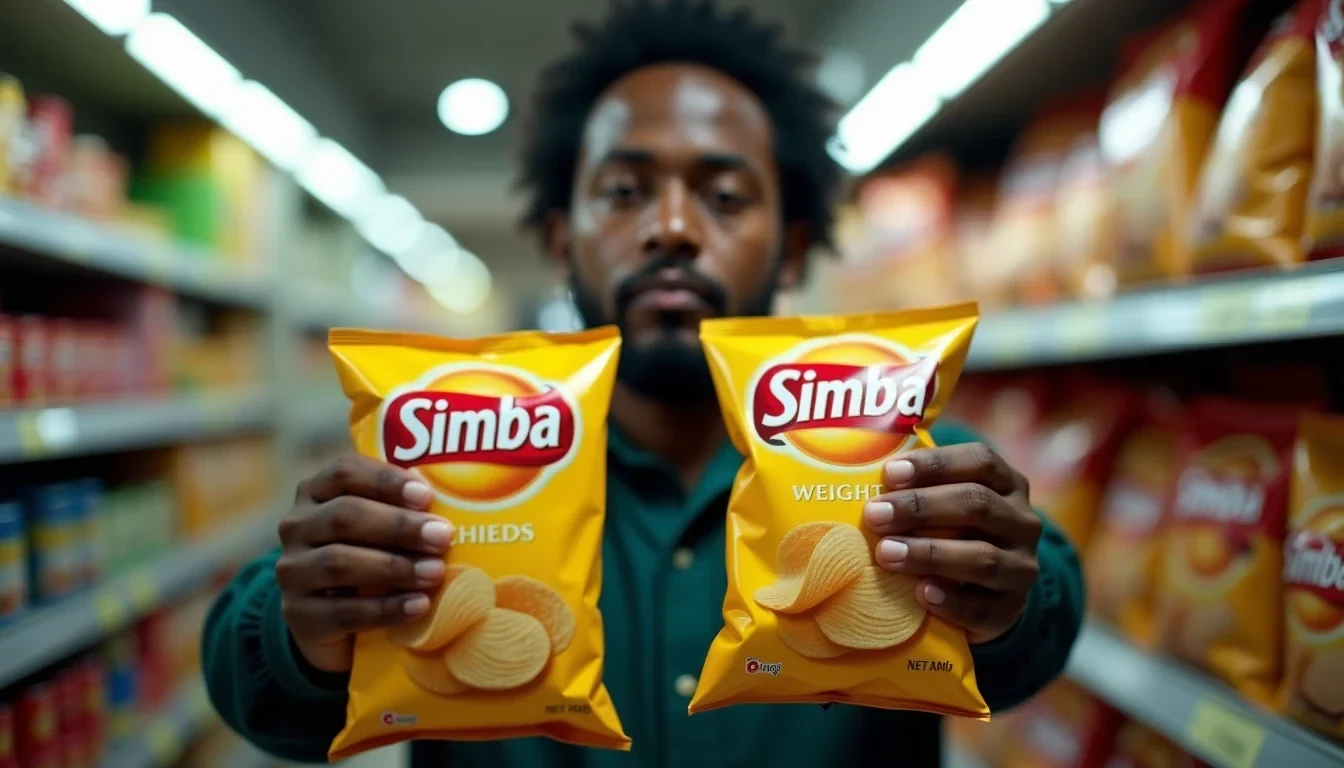
The dirty little genius of shrinkflation is that it does not need to change the shelf drama. A Simba bag can keep its familiar shape while the grams inside quietly drop from something like 125g to 120g or even 110g. A pack of Bakers Tennis can lose a few biscuits without losing the packaging that makes you think you are still getting the old deal. Danone NutriDay tubs can come in looking reassuringly normal while the contents shrink. Omo Auto can still sit there as a big yellow box, even if the washes inside do not stretch as far as they used to. Twinsaver rolls can look properly full until they run out suspiciously fast. Kellogg’s Corn Flakes can sit in a box that feels standard until you notice the net weight has been trimmed.
The only honest way to shop now is to read the small print and do the maths: price per gram, price per sheet, price per wash. The shelf label no longer tells the whole story.
What the numbers actually do
The change sounds tiny until you put it in ratios. Take a bag of chips that used to be 125g for R20. That worked out at about 16 cents a gram. If the newer pack is 110g at the same R20, you are now paying about 18 cents a gram. The sticker price is the same, but there is less product in the bag, and the unit cost jumps.
The same math bites even harder on things you burn through quickly. A 9-pack of toilet tissue with 350 sheets per roll gives you 3,150 sheets in total. If that drops to 320 sheets per roll, you are down to 2,880 sheets for the same R70. On paper that sounds small. In the bathroom, it shows up fast.
Detergent is another sneaky one because the packaging can stay large while the effective value slides. If a 2kg box of washing powder once delivered 25 washes for R90, you were paying R3.60 a wash. If the newer pack gives you only 22 washes for the same money, you are closer to R4.09 a wash. Same box, fewer loads, more money going into the machine.
That pattern repeats across biscuits, yogurt, cereal, and juice cartons. A family does not buy one product in isolation; it buys a whole basket. If ten staple items each give back a little less than they used to, the household budget gets shaved from ten directions at once.
What shoppers are saying
The reaction in the aisle is not subtle. People are noticing that lunchbox snacks disappear faster, that a box of cereal feels too empty too soon, that the detergent bottle seems to finish before the month does. The talk in the WhatsApp group is usually some version of the same complaint: the price did not jump, but the value quietly backed away.
The frustration is not only about money. It is about the insult of being made to work harder for the same basics. Nobody minds a clear price rise as much as a package that keeps the old look while sneaking out the back door with your grams. That gets under the skin. It forces shoppers to become detectives every time they buy a normal household item.
There is a fair side to the story, and pretending otherwise would be lazy. Some brands do label a new size openly. Some changes are driven by real cost pressure, from fuel to raw materials to production headaches. That does not make the result any kinder to the person paying at the till. It just means not every smaller pack is a scam. Some are simply the visible edge of a very expensive economy.
The background most people miss
This is not a brand-new trick, but it has become harder to ignore. South African shoppers have already been pushed into a habit of checking unit prices because the face of a package can stay stable while the contents move backward. That is the whole game: keep the shelf recognition, reduce the fill, and hope the buyer is in a rush, tired, or on autopilot.
The pressure behind it is real enough. Manufacturing costs have been squeezed by transport, electricity, raw materials, and supply chain mess. Load-shedding has not helped anyone make cheaper soap, chips, or cereal. If a company wants to avoid slapping a bigger number on the price tag, trimming the contents becomes the easier move. It is less visible, which is precisely why it works.
The photo evidence exposes the trick. Put the old pack next to the new one, and the story changes from theory to measurement. The bag looks the same until the scale, the sheet count, or the wash count tells the truth. Once you see that side-by-side, it is hard to unsee it.
What it says about the bigger picture
Shrinkflation is basically a quiet tax on ordinary shopping. It does not announce itself with a siren, but it eats at the grocery budget one packet at a time. The insult is not only that families pay more. It is that they have to keep checking whether they are being sold less while the packaging keeps smiling at them from the shelf.
The practical answer is boring but effective. Read the unit price. Compare old and new packs. Keep an eye on grams, sheets, washes, and milliliters, not just the sticker price. In a trolley full of everyday groceries, the packaging can still be loud while the value has already left the building.