
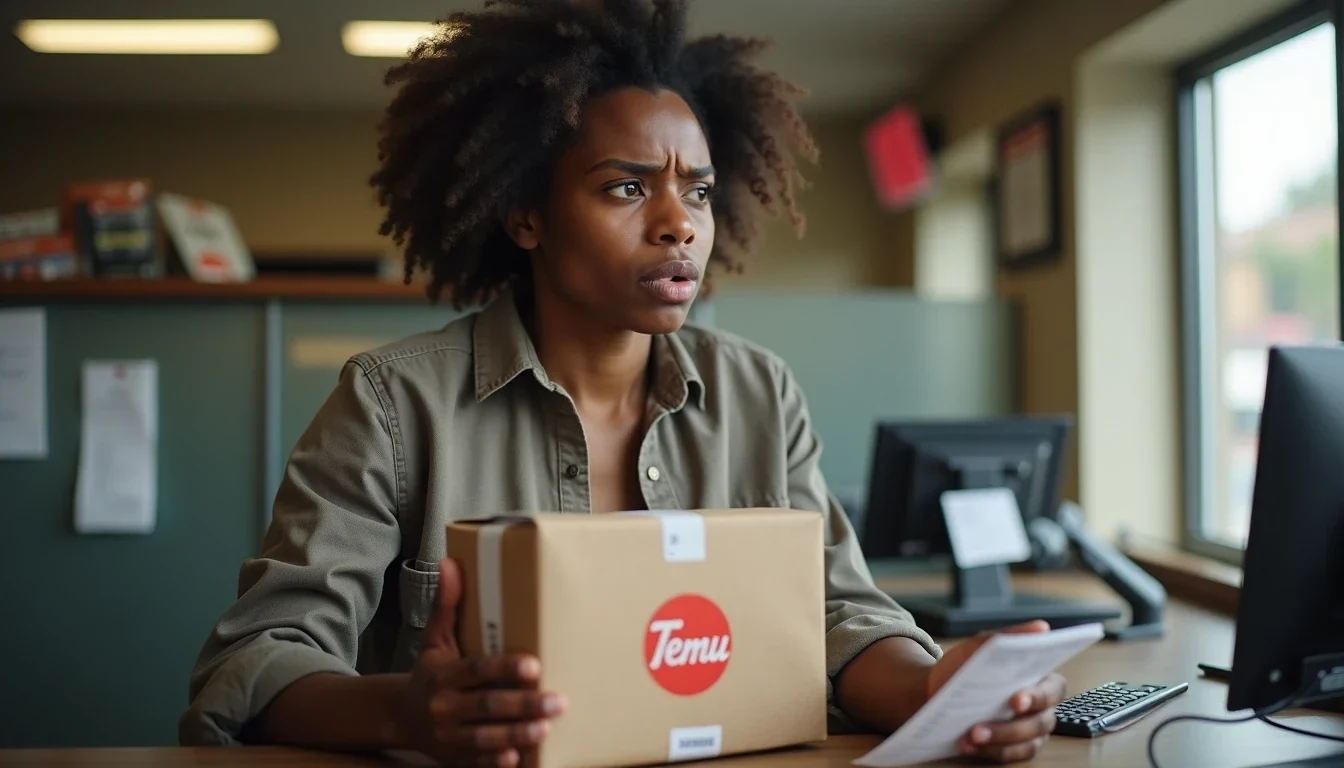
The group chat screenshots started landing in July. Someone had ordered a R120 dress off Temu, a haul that used to feel like beating the system, and then got the customs notice. By the time she collected from the courier, the number on the till slip read R166. The dress hadn’t changed, but the math had.
South Africans have spent the last two years treating Shein and Temu like a secret the retailers hadn’t figured out yet. The apps spread through WhatsApp groups and TikTok unboxings with the energy of a taxi rank tip-off: here’s where to get the thing for half the Sandton price. The checkout screens still show those numbers, still flash the discounts, still let you believe you’ve outsmarted the mall. But since 1 July 2024, SARS has been waiting at the border with a calculator, and the second bill is landing harder than most shoppers expected.
What changed at the border
The old system gave low-value clothing imports a gentler ride. A flat 20% duty plus VAT on top, and for smaller consignments the process could be light enough that some items slipped through with minimal friction. That structure is gone. Clothing and textiles now face the standard rate of roughly 45% duty, with 15% VAT calculated on the total once shipping and duty are stacked in.
Run the numbers on that R120 dress. Under the old rules, duty sat around R24, VAT landed near R21.60, and the damage stayed in the forties. Now the duty alone pushes past R54, VAT climbs to roughly R26, and the garment that looked like a steal has added more than 80% to its own price before it reaches your door. The platforms haven’t hidden this, exactly. The checkout page still shows the original number. The customs invoice arrives separately, days later, when the excitement has already settled.
The local alternatives aren’t laughing yet
Takealot still moves more parcels through Cape Town and Johannesburg distribution centres than any competitor in the country. Its prices rarely match the Temu checkout screen, but the comparison has shifted. A R220 dress on the local marketplace, delivered in two days with a return label that actually works, no longer looks automatically foolish against a R120 import that becomes R166 with a two-week wait and a customs queue.
Physical retailers have their own pressures. Rent in Menlyn Park or Gateway doesn’t drop because Shein exists. But the gap between walking out of Mr Price with a bag and waiting for a courier to explain why your parcel is being held has narrowed in ways that favour the local till slip. The hidden cost used to be time. Now it’s time plus arithmetic that the app never shows you.
What the haul videos don’t mention
The unboxing content still flows. Someone in a Durban flat or a Bloemfontein res room films the pile of items, counts the pieces, declares the value. What rarely makes the cut is the follow-up: the SMS from the courier, the proof of payment to customs, the moment of recalculating whether any of it was worth the trouble.
Returns compound the problem. A local marketplace takes the item back, refunds the full number, sometimes collects from your door. A cross-border return means shipping to China, navigating customs documentation in reverse, and waiting weeks for a resolution that may never arrive. The R120 dress that doesn’t fit has already cost R166. Getting that money back is a second job nobody signed up for.
The bigger basket
This was always the play. Local retailers and textile industry voices spent years arguing that the low-value exemption was bleeding domestic manufacturing and fair competition. SARS listened, eventually, and the new structure is designed to level the floor between a warehouse in Guangdong and a factory in KwaZulu-Natal. Whether that floor helps anyone buy groceries is a separate argument.
For shoppers, the adjustment is raw and recent. The apps still sit on home screens, still send push notifications about sales that sound like emergencies. The psychology of the bargain hasn’t caught up with the reality of the border. But the group chats are adapting. The screenshots now come with warnings, with revised calculations, with the kind of local knowledge that spreads fast in taxi queues and office kitchens. The secret is out: the price on the screen was never the price.