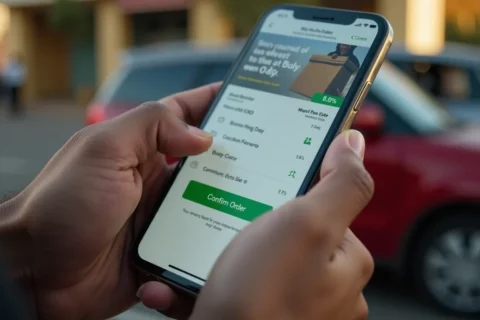
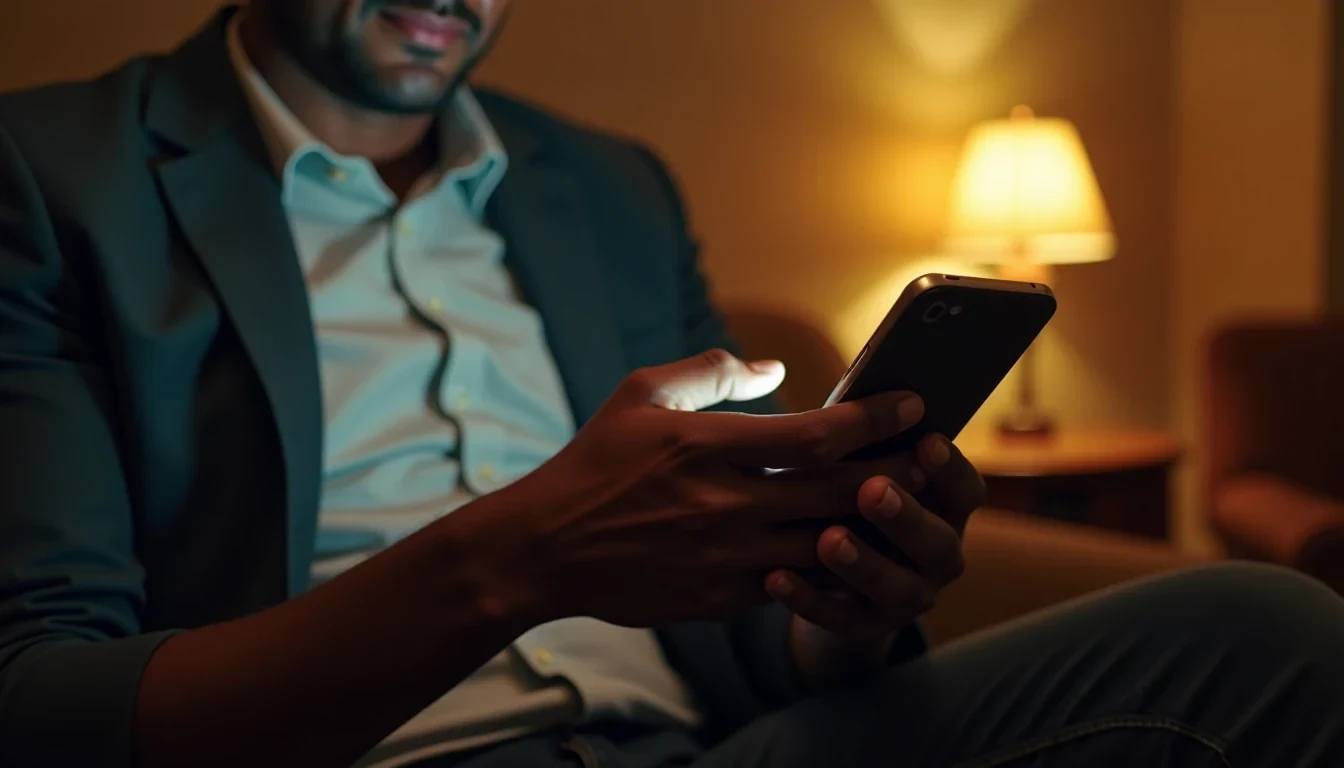
The bottle store used to begin with a question you asked days earlier, usually after checking the cupboard, the WhatsApp invite, and your bank balance. Now it begins on a phone while people are still hanging coats over chairs and asking who is bringing ice. One tap later, someone in the room already treats the evening like it has a timer on it.
This is the new alcohol habit Trade Intelligence is pointing to. South Africans buy liquor online, folding it into grocery orders and making the call when guests are already there. The off-trade liquor market was about R109 billion in 2025, and the fastest-moving orders now sit inside the same grocery apps people already use when the plan is less “stock up” and more “sort it out now.”
The six-second decision
The old routine needed shoes, car keys, and enough patience for a queue that always seems longer than the one in your head. The new routine needs battery, data, and a tiny burst of self-control that lasts about six seconds before someone adds wine, beer, or a bottle of something brown to the basket.
Purchases are changing. Spontaneous orders do not behave like monthly stock-ups. They are smaller, quicker, and usually tied to a moment. Friends arrive unexpectedly. The braai gets going earlier than planned. A birthday chat in Maboneng or a Saturday in Soweto turns into “just bring something when you come.” The app becomes the bottle-store visit, but nobody has to leave the couch.
The result is a shift toward convenience drinks and familiar options. The orders that win are the ones people can choose in one glance and forget about until the doorbell rings. Nobody scrolling an app at 7:48 p.m. is in the mood to discover a niche gin from a small shelf in a side aisle. They want the thing they recognize, the thing that will land before the music gets good.
What people are actually buying
Planned buying still exists. People still do the big Saturday mission to stock a weekend, a month-end, or a wedding cooler. But the app has created a second market, one built around emergencies and mood swings.
A planned bottle run might mean a full case, a few bottles of wine, and a spirit for the house. The emergency order is different. It is a six-pack because the uncle said he would be there in 20 minutes. It is one bottle of wine because dinner is already on the stove. It is three smaller orders across a weekend because each gathering was a separate decision, and none of them felt like a “proper” shopping trip.
That changes spending. Small orders feel harmless in the moment, especially when liquor is sitting inside a larger grocery basket with bread, milk, and frozen chicken. Then the delivery fee shows up, the service charge shows up, and the final total looks nothing like the mental number you had when you opened the app. The platform has made it easier to buy alcohol more often.
There is also a price trade-off. On-demand platforms usually add mark-ups on top of shop prices, and customers still keep ordering because the alternative is walking out, driving across town, or killing the vibe at the gathering. Convenience has become a premium people will pay when the bottle store trip feels too far away or too late in the day.
The shelf is now a screen
In a physical bottle store, the shelf does a lot of work. A label catches your eye. A new brand sits next to a familiar one. You wander a bit, compare bottles, ask yourself whether you really need the expensive tequila. The aisle does the selling.
On a phone screen, that whole theatre gets flattened. Search bars, category tabs, and sponsored placements do the job instead. If a brand is not visible where the thumb lands, it may as well be in a warehouse in Boksburg. The screen rewards names people already know. This is good news for brands with strong recall and decent digital placement, and bad news for anything that relies on accidental discovery.
This is where the familiar names get louder. The brands people already trust tend to win when they are under time pressure and do not want to stand there weighing options. The app favors certainty. That is a very different game from the bottle shop shelf, where the odd, new, or local label can still catch a passer-by before the till.
The clock and the ID card still win
For all the talk about instant gratification, two unglamorous facts still stand in the way: cut-off times and age checks.
Most services will stop taking alcohol orders at a set point, often around 6 p.m. or 8 p.m. depending on the platform and area. The fantasy of “last-minute” convenience has limits. If the group only decides it needs beer after sunset, the app may already be closed for business. That turns spontaneity into a race against the clock, which is a very South African kind of compromise.
Then there is the ID check at the door. The driver still has to verify that the person receiving the order is over 18. No ID, no handover. That is the part of the modern bottle shop experience nobody puts in the advert, but it keeps the whole thing legal. It also means the delivery rider is not just dropping off a bag; they are doing compliance on the pavement while someone in slippers insists they are “definitely old enough.”
The bigger picture is simple enough. Alcohol buying is moving from planned outing to timed impulse. The bottle store is not dead. It has just been demoted by a phone screen and a very small window of hesitation. Whoever wins that window wins the sale, and in this market, six seconds is often more powerful than a whole Saturday afternoon.