
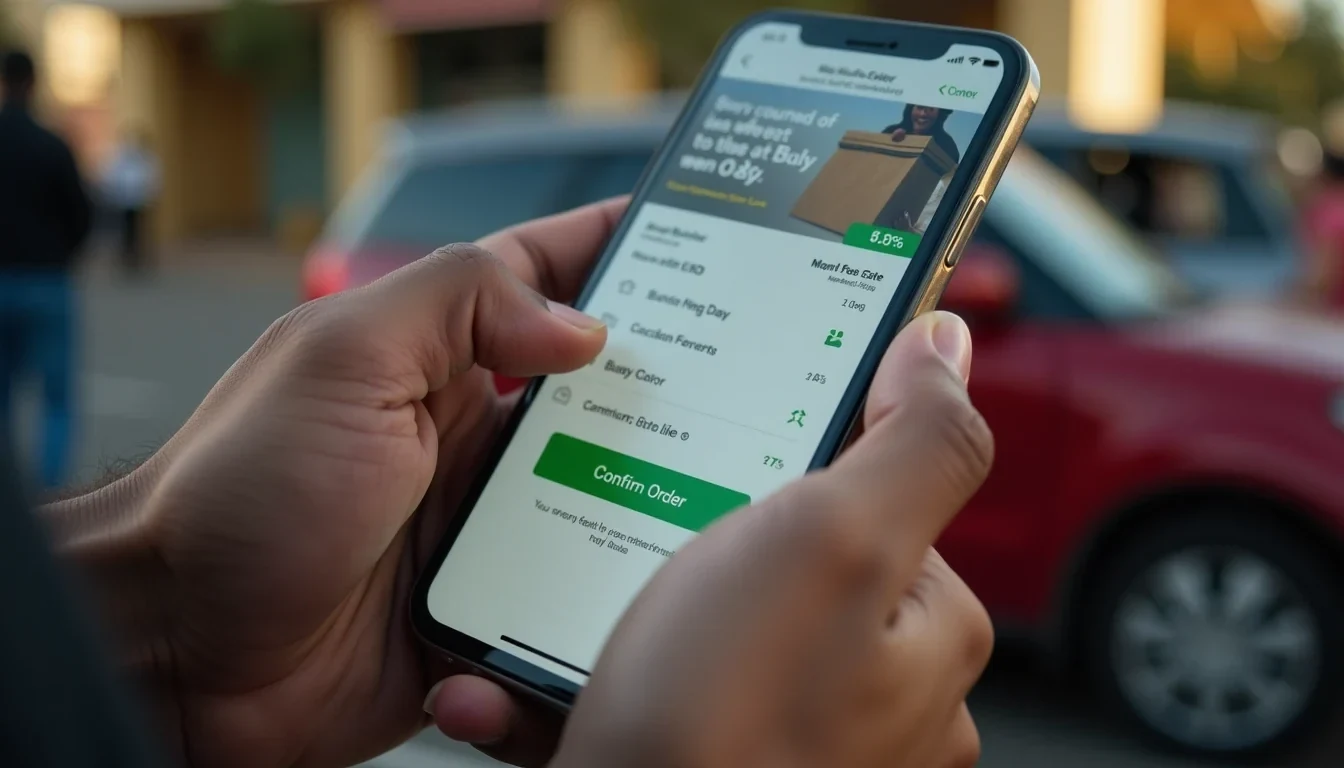
By the time you’ve tapped your way through the Checkers Sixty60 basket, the app has already done something the corner shop never could: it made a packet of chips, a loaf, and two avocados feel like a rational decision. Then the checkout screen arrives with its little parade of fees, the minimum spend nudge, and a “you may also like” section that seems personally offended by your self-control.
That is the real trick. These apps save time, but they also build a shopping environment that quietly encourages you to buy more than the list you came for, and sometimes more than the list you thought you were buying.
What the app is actually selling
South Africans have become fluent in grocery-delivery names by now: Checkers Sixty60, Woolies Dash, PnP asap!, Spar2U, Uber Eats when it is acting like a supermarket. The pitch is always the same: no queues, no parking fights at the mall, no trolley with one crooked wheel, no child lobbying for sweets at the till like it is a hostage negotiation.
The first part of the promise is real. A normal shop can eat an hour and a half before you have even gotten home. You leave the house, fight traffic, look for parking, wander the aisles, wait behind someone buying airtime and six rolls of cling wrap, then stand in a queue that moves like a Sunday afternoon taxi. Delivery cuts a lot of that out. For a quick top-up basket, the time saving can easily be 45 to 90 minutes.
The app is not a charity. The basket screen has its own economy. There is the delivery fee, usually around R35 to R45 on the big grocery apps. Some services layer on a picking or service charge. Uber Eats often adds a service fee on top of delivery. Minimum order thresholds push you to add one more thing, because apparently no one may receive toothpaste without also meeting a quota. And then there is the tip, another R10 to R30 if you want to be decent to the person doing the legwork.
The price of convenience on a normal basket
The cleanest way to compare app shopping with in-store shopping is brutally simple: take the same list, one version bought in a store, one version built on the app. Then compare the total, not just the shelf tags.
On paper, many of these services try to match in-store pricing. In practice, the final bill moves once fees and substitutions enter the chat. A basket that looks identical can end up R40 to R80 higher once the app is done with it. On smaller orders, the gap can look even uglier. If you spend R200 and then add a R35 delivery fee plus a R10 service charge, you have already pushed the cost up by 22.5 percent before you even count a tip or an extra snack.
That extra spend is not always irrational. If the app saves you an hour and costs you R70 more, you may well be buying time at a rate you are happy with. A parent juggling school pickup, dinner, and a load-shedding timetable may take that deal without blinking. So might someone in Sandton with a packed day and no patience for Woolies aisles. The app is selling a bundle, and time is only one part of it.
Some of the best in-store specials never make the trip to the app. Manager specials, clearance shelves, and bulk deals often sit in the physical store like hidden currency. If you shop in person, you can stumble across a cheaper pack or a reduced item and change your basket on the spot. The app tends to flatten that chaos into something tidier, and tidier usually means pricier.
Why your basket grows without you noticing
A grocery store makes you walk past temptation. An app makes temptation sit in your hand.
That is the whole difference. The screen shows personalised recommendations, frequent-buys, flash deals, and those little “you might also like” tiles that act like a digital end-aisle display. If you bought cereal last week, the app remembers. If you always buy fizzy drinks on Friday, the app remembers that too. It does not need a loudspeaker or a glowing shelf. It already knows where your weak spot lives.
Then comes the frictionless part. One tap and the item is in the basket. No trolley space to worry about. No mental image of carrying everything from the parking lot. No queue making you reconsider the second packet of biltong. The app removes the little physical obstacles that usually make you pause.
Substitutions can push the total up as well. If the app is set to allow replacements, a missing item may become a pricier brand or a larger pack without much ceremony. That may still be useful, but it is not neutral. It can turn a simple top-up into a slightly more expensive version of itself while you are trying to get on with your life.
What a smarter comparison looks like
The easiest trap is comparing item prices and stopping there. That is how the bill gets you. A better test is to build the same basket twice, once on the app and once as an old-fashioned store run, then add every cost that appears along the way: delivery fee, service fee, tip, likely substitution, any item you added just to clear the minimum order.
Then ask the mean question: did I actually need the thing I added, or did the app politely corner me into it?
That is where the real trade-off lives. Grocery delivery can be a good deal for a busy household, especially when the roads are bad, the weather is foul, or the alternative is spending your Saturday in a supermarket queue in Fourways. It can also become a quiet leak in the budget, one R35 fee and one unnecessary snack at a time.
The apps are not lying when they say they save time. They are just not leading with the rest of the invoice.