
At the petrol station in Sandton, at the taxi rank in Soweto, and in the office kitchen where everyone is pretending not to refresh their banking app, the same nasty joke is doing the rounds: the country says inflation is 5%, but plenty of people are paying for something much uglier.
Stats SA’s June 2026 print backed that up in a way that should make anyone with a commute roll their eyes. Consumer inflation hit 5%, the highest level in two years. Transport was up 12.7% year on year, easily the biggest mover in the basket. Housing and utilities climbed 5.5%, while food and non alcoholic drinks rose 1.6%. That is the official story. The lived story depends on whether your life starts in traffic, at a taxi rank, or at a laptop.
The headline hides the real fight
The Consumer Price Index is built on an average household basket, which is useful if you enjoy statistics and less useful if your wallet has very specific enemies. The 5% number tells you prices are rising across the board. It does not tell you which line item is chewing through your salary first.
For a commuter, transport is not some optional treat you cut back on when things get tight. It is the price of getting to work, dropping the kids, keeping a job, and returning home again. When that category jumps 12.7%, it lands like a tax on being employed. When housing and utilities move by 5.5%, the pressure shifts to rent, water, lights and the monthly Eskom reality check. Food at 1.6% sounds gentler, but nobody is filling a fridge on food inflation alone. They are trying to survive the mix.
The 5% headline feels slippery. It is technically correct and emotionally useless.
Three people can read the same report and live in different economies
Take three people earning roughly the same salary, maybe R22,000 a month each. Same payslip, same month, same inflation release. Their personal inflation rates are nowhere near the same.
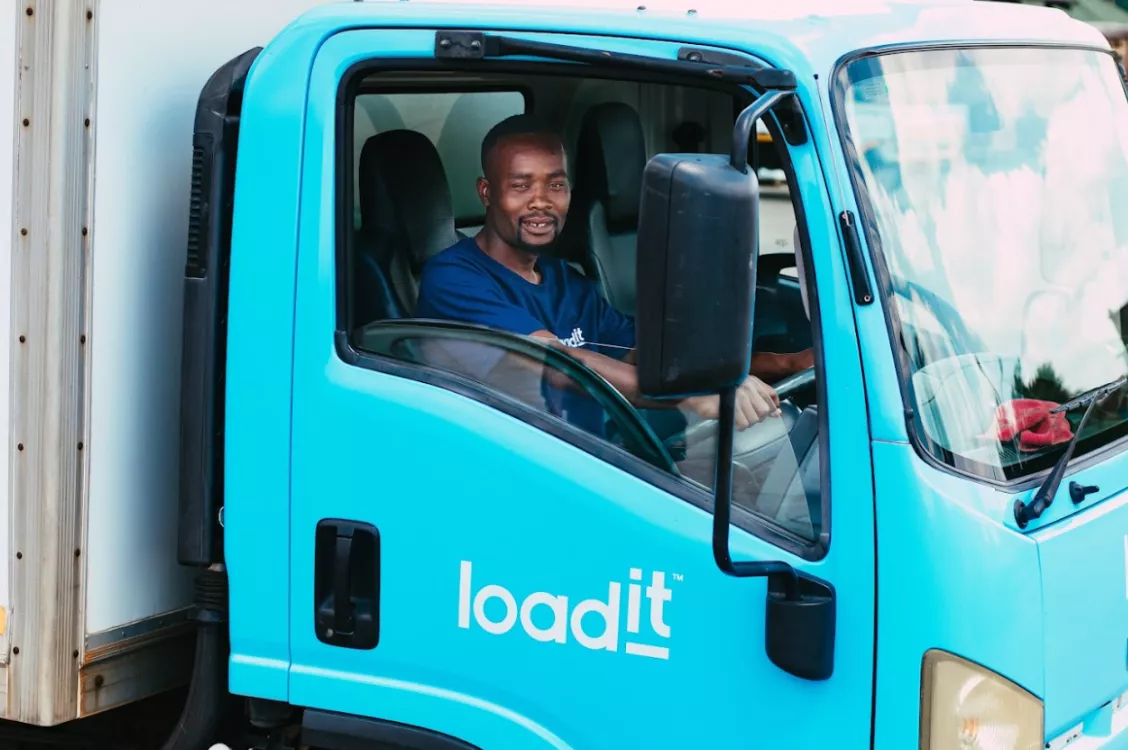
The driver is the easiest to understand. Call him Sipho. He lives in Midrand, works in Rosebank, and his car is part necessity, part hostage situation. He pays for fuel, servicing, tyres, insurance and the sort of repairs that arrive without warning and with attitude. If transport is a big slice of his monthly spending, a 12.7% rise in that slice can push his personal inflation well above the official 5% number. He does not need a spreadsheet to feel it. He feels it when he fills up and has to mentally reshuffle the grocery budget before the card machine even beeps.
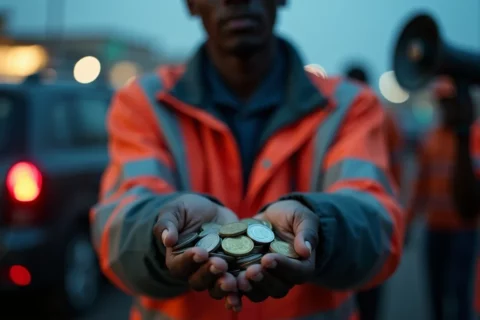
Then there is the taxi commuter, maybe Lerato, travelling from Tembisa to town or from Khayelitsha into the CBD. Her commute is expensive and immediate. Taxi fare hikes do not wait politely for a salary review. They show up in the week, not the quarter. There is no annual discount for loyalty, no smoothing mechanism, no comforting lie that the increase will be absorbed elsewhere. If fares move up by even a few rand a trip, the monthly hit is brutal because it repeats every day. For someone with a modest salary, transport can swallow a bigger share of income than anything else on the list, which means the same 12.7% rise hurts more, not less.
Now put Thandi in the same salary bracket, but she works mostly from home in Pretoria. Her transport bill is a once in a while cost, not a daily bleeding point. She still pays more for electricity and data, and her housing line still exists, but she is not funding a morning and evening commute just to access her desk. Her personal inflation rate is therefore much closer to the official number, and in some months it may even feel lower if she has managed to cap the big commuter costs.
Same country. Same inflation release. Three different realities.
The taxi rank feels inflation before the newspaper does
People in the taxi queue can tell you about price pressure before the economists finish explaining it. The minibus system is built on daily cash flow, not on theory. When fuel, maintenance and operating costs rise, the fare adjustments follow, sometimes quickly, sometimes awkwardly, always with consequences for the people standing there with a folded note and a timetable in their head.
Transport inflation is ugly. It does not behave like food, where you can switch brands, buy less, or skip a luxury item. It hits the route to work. It hits the return trip. It hits the person who lives far from the job market because the job market is very bad at living near them.
A taxi rider can look at a 5% inflation print and laugh the tired laugh of somebody who knows the maths is lying by omission. The headline average smooths out the pain. The rank does not.
The average keeps missing the room
The deeper problem is that national inflation is a weighted average, and life is not. The CPI basket reflects a household, not your household, not your commute, not your rent, not your exact battle with fuel receipts or taxi fare changes. If transport takes up a chunky part of your income, the 12.7% surge drags your personal rate up hard. If you spend more on home bills and less on getting around, the pain lands somewhere else.
South Africans keep bumping into that gap. The economy can announce 5% with a straight face while the person at the petrol pump or taxi rank is quietly dealing with a much harsher number. One headline, three budgets, and only one of them gets you to work.
The next time somebody repeats the official inflation rate like it settles the argument, ask them where they live, how they move, and what their month looks like before payday. That usually ends the conversation.