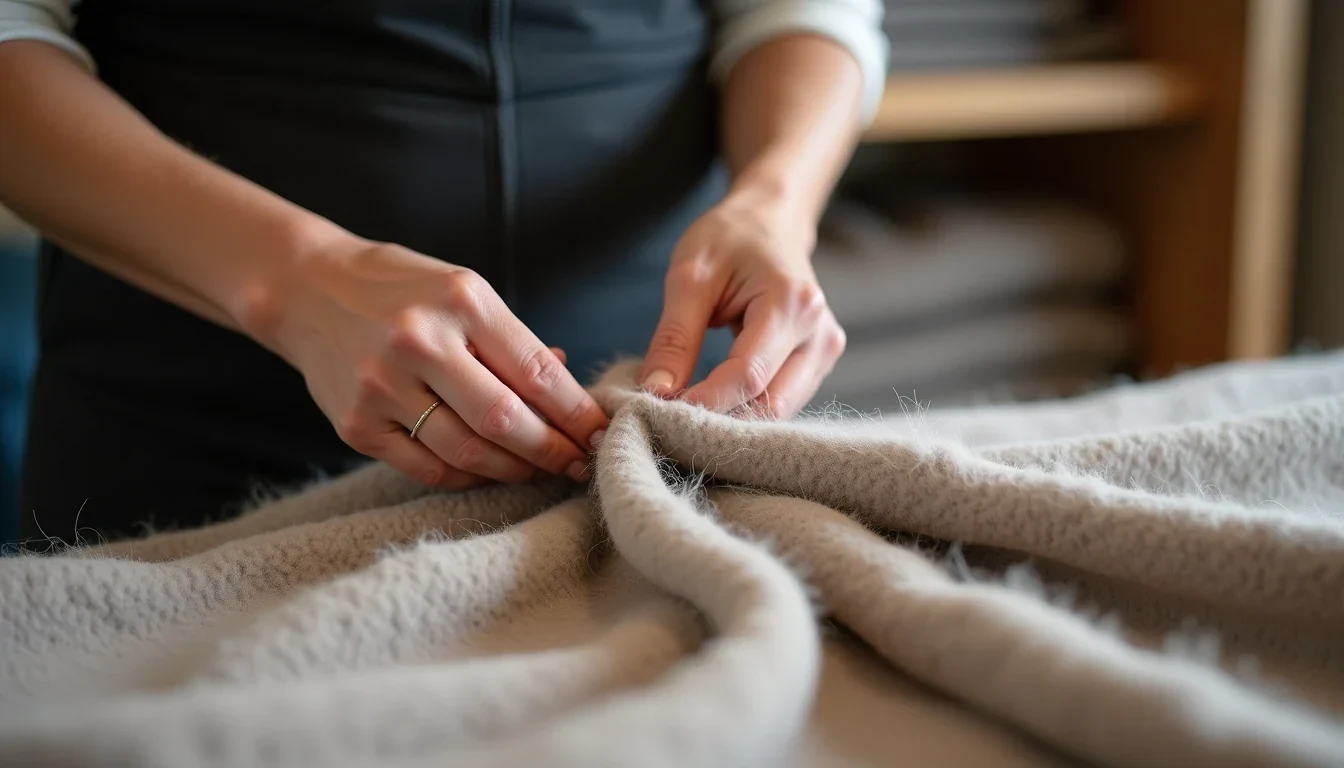
The first thing I noticed in the boutique was not the alpaca, but the way the rack handled light. A scarf in soft taupe sat beside a cream throw, and both had that quiet, expensive look some fibres manage without trying. Up close, the fabric felt lighter than it looked, warmer than merino, and far less prickly than the wool most people tolerate out of necessity.
That is the trick with alpaca. The animal gets remembered for the spit, the odd little prance, and the fact that it can look annoyingly self-possessed while standing in a paddock. The fibre is the part that earns shelf space in premium stores, especially the kind of South African shop that likes natural textures, useful luxury, and products with a bit of story attached.
The boutique effect
In the stores that do carry it, alpaca usually shows up where the merchandising is already disciplined: a folded stack of throws on a side table, knitwear on wooden hangers, or scarves arranged as if someone cared about the drape. That suits it. Alpaca has a clean fall, a soft hand, and none of the scratchy drama that makes some luxury wool feel like a private joke.
The people who buy it are usually shopping with a plan, even if they pretend they are just browsing. A good alpaca piece is the sort of thing you notice in a fitting room, then keep thinking about after you leave. It has the practical appeal that South African winter wardrobes actually need, especially in Cape Town winds, Johannesburg cold snaps, or a draughty apartment in Durban that somehow still gets chilly in July.
The animal behind it is stranger than the product. Alpacas are herd animals that do badly on their own, so badly that isolation can push them into serious stress. They need companions of their own kind, not a sheep, not a goat, not a horse standing in for the missing social structure. If one is irritated, it may spit in stages, starting with a puff of air, moving to a mouthful of food, and in the most serious version, sending up a green, foul-smelling mess from the stomach. Not chic, but memorable.
What the fibre actually does
Alpaca wool earns its premium tag because the fibre behaves better than most shoppers expect. It has no lanolin, which is why it tends to suit people whose skin turns on sheep’s wool. That makes it a useful choice for scarves, jumpers, baby blankets, and anything that sits directly against the body.
It also traps heat unusually well. The fibres contain tiny air pockets, which is why the material feels light in the hand but still does proper cold-weather work. You get warmth without bulk, which is exactly what most high-end knitwear claims to offer and rarely delivers.
There is another detail that matters for homeware buyers. Alpaca is naturally flame-retardant, so the fibre brings an inbuilt safety advantage without chemical treatment. That is part of its appeal for throws, cushions, and children’s items, where people want comfort without feeling as if they have bought a compromise. It also repels water better than many comparable fibres, helping it stay insulating when damp rather than collapsing into soggy regret.
The texture sits somewhere between cashmere and good merino, with enough softness to feel indulgent and enough durability to justify the spend. It resists pilling better than many luxury fibres, which is the sort of thing you only appreciate after a season of wear, when a lesser jumper has already started looking tired.
The stores that make sense to check
In South Africa, alpaca is still a curated buy rather than an everyday one. That is part of the charm. You are more likely to find it in a premium boutique, a considered concept store, or a specialist homeware shop than in a mass-market chain.
In Cape Town, start with stores that already lean into local design and high-end natural textiles. Merchants on Long is a good place to look for accessories and giftable pieces with proper shelf presence. Guild, with its gallery-like feel, is a strong bet for textiles and home objects that sit comfortably beside artisan South African design.
Johannesburg shoppers should think Sandton City, Hyde Park Corner, and the smaller independent boutiques that like imported knitwear and quietly expensive fabrics. In those spaces, alpaca often appears as scarves, wraps, or a single standout throw rather than a huge range. That is not a drawback. It usually means the buyer was selective.
Durban and Pretoria are less obvious hunting grounds, but the premium precincts still reward a careful walk. Florida Road in Durban and upmarket centres in Pretoria can turn up boutique knitwear, home accessories, or limited seasonal stock. If the staff can tell you where the fibre came from and what blend it uses, you are probably in the right place.
What to buy and what it should cost
The smartest entry point is usually a scarf. It lets you feel the fibre immediately, and it is the easiest thing to compare against merino or cashmere. In South African retail, a proper alpaca scarf will usually sit above equivalent merino, sometimes close to mohair, and below top-end cashmere. That is a fair position for a material that is softer than many wool blends and tougher than people expect.
Throws and blankets are where alpaca starts to look genuinely persuasive. A well-made one changes a sofa, a guest bed, or a winter reading chair without adding weight. If you are buying for a house rather than a wardrobe, this is the category that makes the strongest case for itself.
Sweaters, cardigans, and socks are the practical luxuries. Socks sound unglamorous until you put them on. Then the point becomes obvious. Baby blankets are the most obvious gift buy, because the lanolin-free feel and natural warmth make the fibre easy to justify for sensitive skin.
For local sourcing, keep an eye on South African producers such as Cape Alpaca and Knysna Alpaca, which sell farm-linked products online and through direct channels. They are useful references even when you end up shopping in a city boutique, because they show what genuine alpaca should feel like before a retail markup gets involved.
The animal keeps the folklore, the fibre keeps the sale
Alpacas are full of behaviour worth watching. They hum when calm, bored, or uneasy. Males can make a rough mating call called an orgle. When they are especially delighted, they do a straight-up little leap with all four legs locked, which is the closest the species gets to a standing ovation.
Adult males also grow hooked front teeth used in fights, while the herd uses communal muck piles to keep grazing areas cleaner and reduce parasites. Their feet are padded and quiet, which means they move without hammering the ground the way hard-hooved animals do. None of that matters to the person choosing a scarf, except that it explains why the creature feels oddly designed for both comic relief and luxury retail.
The joke, really, is that one of the world’s least dignified animals produces one of the more convincing premium fibres. South African boutiques have noticed. So should anyone who still thinks wool has to itch to count.